Free State Targets Surgical Backlogs
The three-day Cataract Marathon, held over the weekend at Boitumelo Regional Hospital in Kroonstad, was a great success, with over 100 patients receiving treatment.
Screening was conducted last week Friday with cataract operations scheduled for Saturday and Su...
Ndlozi Criticises Ramaphosa’s Address, Sparking Online Political Debate
Political commentator and broadcaster Mbuyiseni Ndlozi has sharply criticised remarks made by President Cyril Ramaphosa, accusing the head of state of prioritising personal political defence over urgent national concerns.
The criticism, shared by Ndlozi on 12 May 2026 via the social media platform X (formerly Twitter), followed Ramaphosa’s recent public address in which he reiterated his commitment to remain in office and uphold the Constitution, while responding to allegations levelled against him. The President maintained that he had committed no wrongdoing, describing the claims as unsubstantiated and confirming his willingness to cooperate with any formal investigations.
However, Ndlozi argued that the address failed to acknowledge pressing humanitarian challenges facing parts of the country, particularly severe storms and heavy rainfall affecting regions such as the Western Cape. In his post, he suggested that the President’s focus on defending his position overshadowed the immediate needs of communities impacted by weather-related destruction.
“Storms and heavy rains are devastating people's lives in the Cape. The chap took the platform to address us about not resigning and made zero mention of this weather crisis. Nothing about our people’s well-being in this difficult time,” Ndlozi wrote.
He further described the speech as reflective of “terrible leadership,” arguing that a national address should prioritise public welfare and disaster response over political rebuttals. His comments quickly circulated online, drawing widespread engagement and polarised reactions.
Some social media users echoed Ndlozi’s concerns, expressing frustration that the President did not directly address the impact of the adverse weather conditions or broader socio-economic challenges such as unemployment and migration pressures. Critics in this camp argued that leadership messaging should be more responsive to immediate crises affecting citizens.
Others, however, defended Ramaphosa, stating that expectations for him to address natural weather events in the same speech dealing with governance and constitutional matters were misplaced. Supporters of the President also dismissed the critique as politically motivated, accusing Ndlozi of unfairly targeting the head of state.
The exchange has since added to ongoing public debate around political accountability, leadership priorities, and the tone of national communication during periods of crisis. While Ramaphosa’s office has not directly responded to Ndlozi’s remarks, the incident reflects continued tensions in South Africa’s political discourse, particularly on the role of executive leadership in balancing governance, crisis response, and public communication.
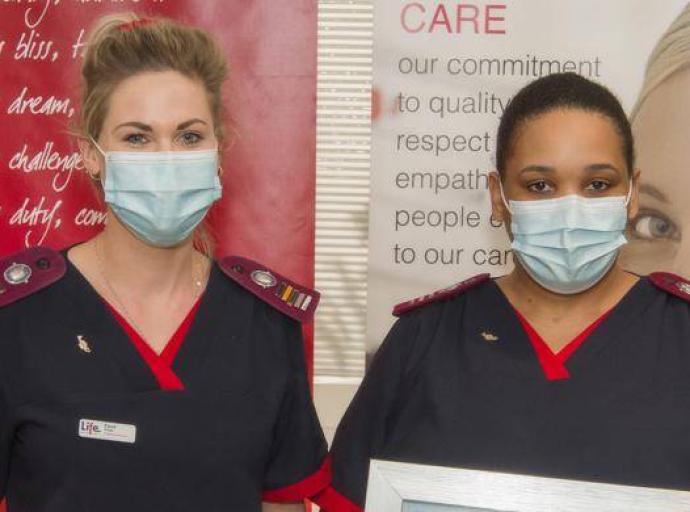
‘Our nurses, our future. Empowered Nurses Save lives’, this is the theme for this years international nurses day celebrated across the country today.
MEC for Health in the Free State Monyatso Mahlatsi describes nurses as the backbone of healthcare, saying that they are present at every stage of life, delivering care with skills compassion and resilience often under immense pressure.
“To our nurses , the quiet humble warriors in white, today we celebrate not only what you do, but who you are.
“You are the light that shines and enters the room before medicine does, the gentle touch that gives strength to the weak, and the courage that stands firm when fear surrounds our people.
“In every heartbeat you protect, in every tear you wipe away, and in every life you help restore, you remind us that healing is both a science and an act of love,” he said.
He says he honours their resilience, sacrifice, and unwavering spirit, even on the hardest days, because they continue to rise before dawn to carry the hopes of a nation on their shoulders.
“May you never forget that your compassion changes lives, your service gives dignity to humanity, and your calling is one of the noblest gifts to society.
“Today, we do not merely thank you we salute the greatness within you,” said Mahlatsi
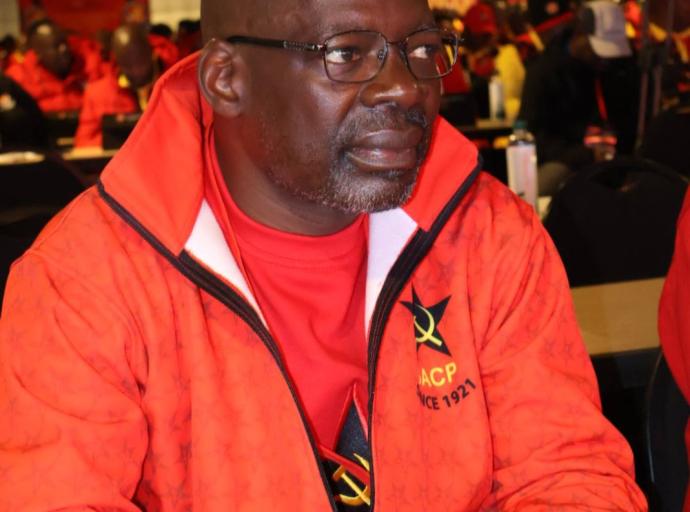
South African Communist Party (SACP) Secretary-General (SG), Solly Mapaila, intensified the growing friction between his party and the ANC during his address at a provincial Chris Hani commemorative event in Bushbuckridge, Mpumalanga.
Mapaila’s address signalled a significant departure from the traditional unity of the Tripartite Alliance by directly challenging the current administration's integrity.
He warned that the state faces an existential threat if executive accountability is not enforced immediately, whilst insisting that institutional delays are being exploited to facilitate the wholesale liquidation of South African public assets.
Mapaila further positioned the SACP as the primary bulwark against the privatisation of the energy sector. He alleged that the Government of National Unity (GNU) is working in tandem with international lenders to compromise national sovereignty.
“We welcome this Constitutional Court judgment. This impeachment must move fast because if it is delayed, we will have no government infrastructure, as everything would have been sold.
“The GNU government wants to sell Eskom. They want to put Eskom in the market, and they think we don't know that. They are collaborating with the IMF. That will never happen as long as we are alive in South Africa.
“They are people who have even been told to run Operation Vulindlela, business people. They are right inside the Presidency; they are sharing the resources of this country. It's a new form of state capture, and they are now even selling water to the people,” Mapaila explicitly said to attendees.
By labelling Operation Vulindlela as a new form of State capture, Mapaila effectively accused the Presidency of prioritising corporate interests over the poor. This public condemnation suggests that the rift between the SACP and the ANC leadership may be reaching a point of no return as local government elections loom.
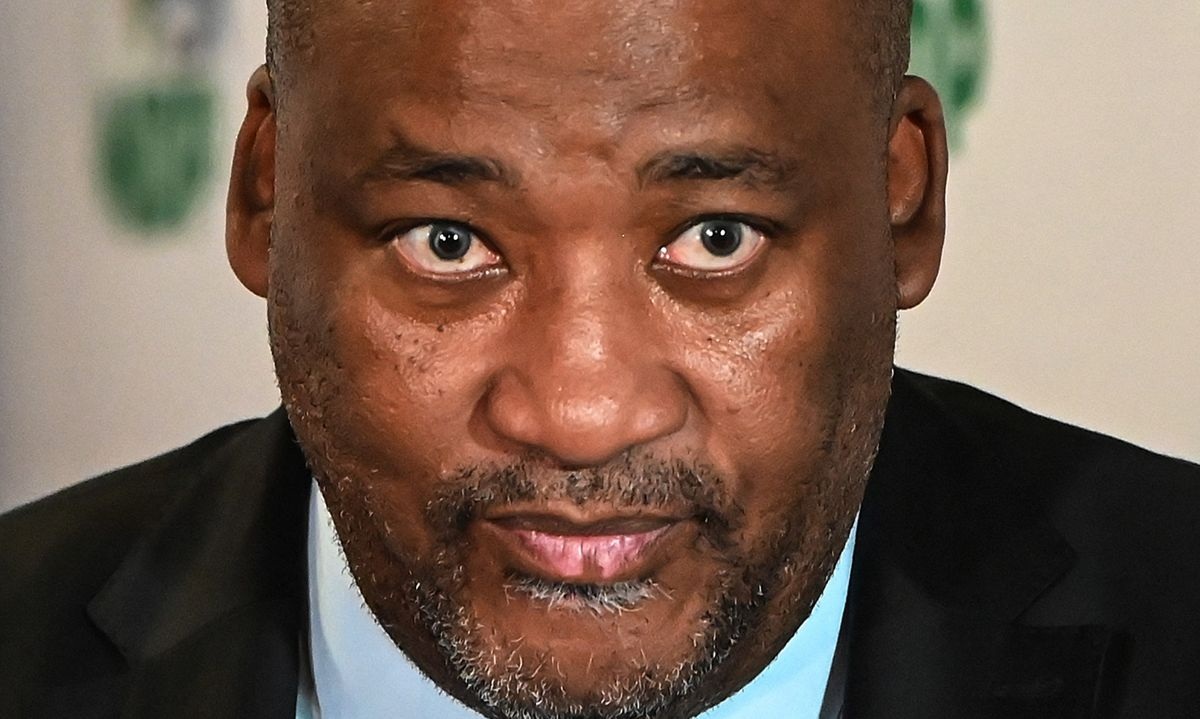
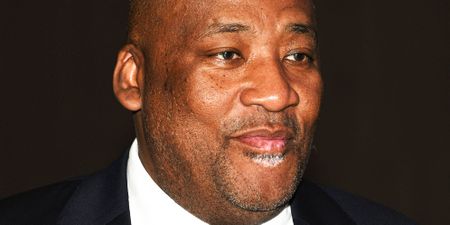
Minister Gayton McKenzie pledges action against corruption in the Cultural and Creative Industries Federation while restoring funding to vital arts projects.
The Department of Sport, Arts and Culture (DSAC) last week released its latest list of projects supported by the Mzansi Golden Economy (MGE), revealing that funding has been reinstated for at least two major events — the Cape Town Carnival and the National Arts Festival in Mkhanda. However, this move comes amid lingering controversy over what critics describe as an “opaque” selection process.
Despite the release of the list, both the department and Minister Gayton McKenzie have yet to provide Parliament with a full account of the R110-million MGE budget. Specific details regarding individual award amounts and the criteria for panel selection remain strictly “confidential”.
McKenzie’s decision in September 2025 to defund major festivals triggered a wave of chaos across the sector, leaving landmark events in a catastrophic lurch after their financial lifelines were abruptly cut.
In a move that drew heavy criticism, McKenzie directed these organisations to seek support from the MGE fund instead. This guidance proved problematic, as it later emerged that MGE resources had never actually been earmarked for festival support, leaving many organisers stranded without a viable fallback.
The seed for CCIFSA was planted after a 2009 meeting between then president Jacob Zuma and members of the cultural and creative industries. Afterwards, the DSAC set up two task teams to develop a framework for the federation supposedly representing 12 identified sectors and 45 subsectors. The first budget in 2014 was R5-million.
CCIFSA fell under the protection of the then minister of sport, arts and culture, Nathi Mthethwa and for years failed to account for funding or its work and has been viewed as a platform for political manoeuvring.
Jacob Zuma shares a toast with Nathi Mthethwa, as Zuma celebrates his 70th birthday at Luthuli House in Johannesburg on 12 April 2012. (Photo: Antonio Muchave / Gallo Images / Sowetan)
The investigation that McKenzie announced, conducted by Gobodo Forensic and Investigative Accounting (GFIA) on behalf of the department, unpacked R51.8-million in public funds transferred to CCIFSA between the 2014/15 and 2023/24.
Some of the rot unearthed included an irregular contract addendum signed in March 2016 that increased an original CCIFSA funding agreement by R772,884 with “no submission, no justification and no proper approval”.
Unspent funds of R5.4-million as of the end of the 2016/17 were not returned to the department as required, instead being used by CCIFSA to fund its operations during the years in which it had no valid contract with the DSAC.
The department’s director-general, Dr Cynthia Khumalo, has been instructed to begin “appropriate processes” against departmental officials identified in the report.
The department will now refer the report to the Auditor-General of South Africa, the Special Investigating Unit and the Hawks for further investigation.
Lara Foot, celebrated CEO of the Baxter Theatre Centre in Cape Town, was prompted to respond on Facebook: “CCIFSA, who does not employ or create employment for artists, has mismanaged and essentially stolen R57 million, whilst real NPO’s and independent theatres receive nothing!”
Losses and gains
McKenzie drew the ire of the arts, theatre and cultural community in September 2025 when he defunded landmark events like the Cape Town International Jazz Festival and the Makhanda National Arts Festival, stating they should “stand on their own feet”.
The National Arts Festival lost R5.5-million in state funding after McKenzie withdrew support. Monica Newton, the CEO of the festival, said that the 50-year-old event had initially been excluded from the MGE funding model as it had fallen outside the department’s narrow time requirements.
A scene from the 2024 National Arts Festival in Makhanda. (Photo: Alet Pretorius / Gallo Images)
To survive, it had relied on continued support from the Eastern Cape provincial government and the Sarah Baartman District Municipality in 2025. It also maintained partnerships with the Eastern Cape Development Corporation and Standard Bank.
Strict guidelines
While questions are still being asked about some of the organisations and projects that have received MGE funding, well-known artists such as singer and producer Loukmaan Adams and David Kramer received support.
Singer, songwriter and playwright David Kramer. (Photo: Jesse Kramer)
Last week, the department released “strict compliance guidelines” for the new grants, while facing intense political backlash, with the Democratic Alliance (DA) accusing McKenzie of mismanaging MGE funds and avoiding parliamentary oversight.
The DA has accused the MGE adjudication panel, appointed by McKenzie, of behaving “with open defiance” during an appearance in Parliament.
The panel is chaired by the national spokesperson of the Patriotic Alliance (PA), Marlon Daniels, whom the DA has accused of having “no demonstrable professional background or recognised expertise in the arts, culture or creative industries”.
Misdirection
Since McKenzie’s shock announcement last year, it has emerged that the MGE had never been created to fund large arts and cultural festivals.
“After personally defunding established festivals across South Africa, the minister explicitly advised organisers to apply to MGE instead, creating the clear and reasonable expectation that this was an appropriate and viable funding route,” said DA MP Leah Potgieter.
DA MP Leah Potgieter. (Photo: Parliament SA)
The economic fallout from cancelled and downsized festivals had cost local economies close to R1-billion in lost tourism revenue, jobs and supplier income, she said.
McKenzie’s “misapplication” of existing funding programmes led to “severe financial consequences” for large arts and cultural festivals, which were directed to apply for MGE grants, even though the programme was not designed to support them.
Previously, some MGE applicants told Parliament about “unfair treatment, inconsistent decision-making, and funding being awarded to deregistered or non-compliant entities”.
The future of funding
Some of the biggest names and brains in the cultural sector in the Western Cape participated in an important discussion, The Future of Arts Funding: Sustainability, Innovation and Collaboration, which kicked off the annual Suidoosterfees, now in its 23rd year.
The panellists included Cornelia Faasen (CEO of Nasionale Afrikaanse Teater-inisiatief, NATi), writer Dominique Enthoven, Beth Arendse (CEO of Business and Arts South Africa, Basa) and Marlene le Roux (CEO of Artscape), with broadcaster Africa Melane moderating.
Cornelia Faasen, the CEO of Nasionale Afrikaanse Teater-inisiatief. (Photo: Deaan Vivier / Gallo Images / Beeld)
Panellists focused on the “critical and urgent need” to rethink arts funding, noting that despite contributing at least 1.4 million jobs and 4% of the national GDP, the creative sector was often excluded from major investment conversations because current models prioritise “need” over “value”.
Models no longer fit
Basa’s Arendse said arts funding was “in crisis”, not due to a lack of money but because “old funding models are no longer fit”.
“There is capital,” she noted, “but the value of the arts is not clear to investors. We keep leading with need, rather than designing models that unlock value. Investors are just not seeing it.”
Artscape’s Le Roux highlighted the huge administrative burden attached to government funding and noted that compliance processes could be arduous for those who lacked capacity. The panel agreed that while artists were central to the cultural ecosystem, they should not be burdened with seeking support.
This, said Enthoven, should be the responsibility of “intermediaries and cultural stakeholders” who could build frameworks that would make sustainable funding possible, allowing artists to “just be able to create work”.
Faasen noted the arts sector continued to function “largely driven by passion”; however, this could be “significantly strengthened” through more coordinated government and private sector support. She highlighted the potential of inter-ministerial collaboration, particularly between trade and industry, tourism and innovation.
She cautioned that new regulatory frameworks, while “welcomed in principle”, could place additional burdens on artists. She called for greater social protections, including pension schemes and medical aid support, noting the lack of a safety net for many in the industry.
Le Roux echoed the importance of labour organisation within the sector, encouraging artists to unionise and organise “especially in light of new regulations”.
While those who tackle the gargantuan task of organising and running massive annual festivals and cultural events were barely swimming when they were hit by McKenzie's defunding wave, CCIFSA, it turns out, has been spending as if there were no oversight — which, of course, there wasn’t.
The GFIA forensic report contained further financial information, said McKenzie on Friday, that “misrepresented funds intended for the Downtown Music Hub” as CCIFSA’s own operational funding.
Downtown Music Hub (DTMH) is located in a landmark recording studio in Johannesburg that was given a makeover in 2015 to provide studio time to aspiring and established artists.
The Downtown Music Hub is a cutting-edge music facility dedicated to supporting the growth and development of professionals in SA’s music industry. (Photo: Piwokuhle Motha)
The investigation found DTMH funds totalling R3-million “comingled” with CCIFSA’s funds in a single bank account. R10-million, the first tranche paid to CCIFSA for the Ushering In a New Era awards, “cannot be properly accounted for, as no supporting invoices or proof of payments were provided”.
Over and above this, a budget submitted by CCIFSA in support of a recent funding application reflected an administration fee of 32% of the total allocation — more than three times the 10% stipulated in the applicable agreement.
These administration costs consisted primarily of salaries and payments to CCIFSA executives.
McKenzie said the report had been shared in confidence with the Portfolio Committee on Sport, Arts and Culture and with the Auditor-General as part of the department’s accountability obligations.
This article was originally posted by The Daily Maverick
The recent Supreme Court of Appeal ruling on the Van der Vyver Transport case shone a long overdue spotlight into the chaos and maladministration that thousands of workers experience time and again at the Compensation of Occupational Injuries and Diseases Fund (CF).
The Congress of South African Trade Unions (Cosatu) is heartened that the Supreme Court called for an independent investigation into the deeply worrying state of affairs at the CF.
This is a demand that the Federation has been making for many years.
Employers experience endless challenges when attempting to register their employees with the CF, be it online or in person.
This results in many employers simply giving up and leaving their workers unprotected should they be injured or even die during the course of their work.
When workers apply for relief after a workplace injury or disease, all too often they are not met with relief or assistance, but endless queues, bewildering red tape and outright bureaucratic indifference.
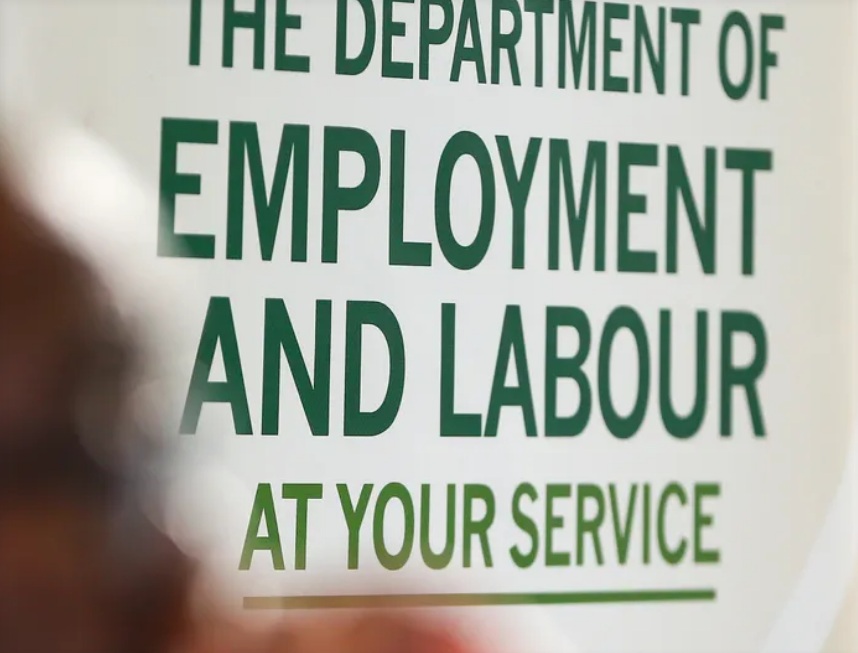
A visit to anyone of the Department of Employment and Labour’s Labour Centres will show workers in desperate need of urgent relief, subjected to days of endless queues and even then, they may still not find the help they need and are entitled to by law.
Countless workers reach out to Cosatu and employers for assistance to unlock these bureaucratic obstacles. We have seen time and again workers battling to access relief for years at a time.
Tragically the same shameful experience is felt by workers when applying for their Unemployment Insurance (UI) benefits.
Newspaper headlines have shown time and again how workers’ UI and CF contributions when invested to generate interest to ensure the sustainability of these two important Funds, being treated as a slush fund for corrupt politicians, officials and businesspersons. Whilst there has been some progress in tackling the scourge of corruption and state capture in the Funds, by no stretch can we say this battle has been won.
These painful experiences undermine the progressive objectives of the Funds and the tireless efforts of the majority of their staff to ensure that workers and their families receive the relief they are entitled to timeously.
The Funds are a key anchor of South Africa’s social security umbrella with the CF providing compensation to workers injured or who have been affected by a disease during the course of their work as well as their families in the event of their death.
Recent progressive amendments to it have extended cover to more than 1 million domestic workers as well as relief for workers affected by post-traumatic stress disorder (important for security personnel as well as mineworkers and women who experience gender-based violence at work.
Proposed amendments in the current labour law reforms include extending such cover to atypical workers, e.g. actors, performers and platform employees.
The Unemployment Insurance Fund (UIF) provides severance pay for workers who’ve lost their jobs, reduced time relief for workers at struggling companies who may not be able to pay salaries whilst undergoing restructuring as well as maternity leave pay.
Recent amendments included providing paid parental and adoption leave as well as maternity leave for mothers who experienced still born births and third trimester miscarriages.
As with the CF, new proposals include extending UI protection to atypical workers such as Uber drivers plus doubling severance pay from one to two weeks per year worked.
As we saw during Covid-19 when the economy was placed under lockdown, the UIF played a key role by releasing over R65 billion to help 5.7 million workers take care of their families, prevent millions of job losses and stimulate economic growth.
What was also brought to the fore during COVID-19 were how archaic the UIF and CF systems were and remain.
Subsequent reports by the Auditor-General how shown how these porous systems enable corruption inside and outside the Funds to take place.
They have been at the heart of why employers struggle to register their staff and why workers have to queue for days and still battle to receive their relief.
COSATU has raised this matter time and again with government at Nedlac, in Parliament, in bilaterals and publicly over the past six years.
Business and the broader labour movement have echoed these calls.
We have called upon the Department and the Funds to put in place a process to cleanse, overhaul and modernise these Funds, to ensure employers can register employees with ease and workers can receive their full relief without hassles.
Business offered to design a system free of charge for the Funds. The Government Technical Advisory Centre provided a comprehensive diagnosis of what needs to be done. The South African Revenue Service (SARS) offered to build a new system for the Funds as it had done during the Mandela Administration.
Yet these offers have been blue ticked by the Department.
Instead, once a year the Department appears before Nedlac with a PowerPoint presentation on how the Funds will definitely be fixed over the next two years with an exorbitant price tag for consultants attached. Similar PowerPoints are trotted out before Parliament with incredulous 90% delivery targets claimed!
Yet a visit to any Labour Centre today is a painful reminder that workers in their most desperate moment of need will be subjected to shameful delays and red tape to access what is legally theirs. Many simply give up.
This is simply unacceptable and should not be tolerated. No amount of perfume can make this experience for workers smell nice.
The path to fixing the Funds is not complicated.
They require competent management, the removal of corrupt and criminal elements, the filling of vacancies and hiring of critical skills, investing in infrastructure, especially IT and putting in place modern, user friendly, transparent, accessible and corruption proof systems.
SARS must be enlisted to design and set these up.
We cannot continue to accept nor tolerate these abysmal state of affairs. Workers deserve better. Government must act and be seen to upholding workers’ hard-won rights.
This article was originally posted by The Business Report
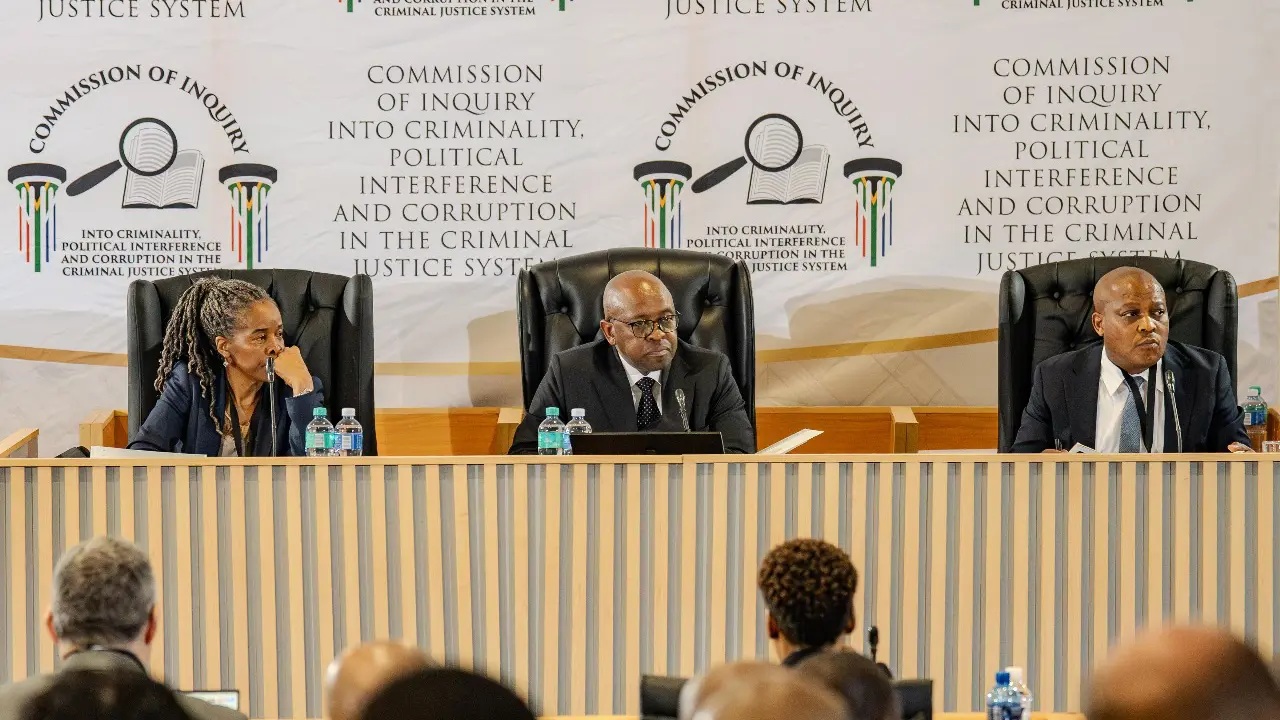
A new witness is expected to take the stand to give evidence relating to the disappearance of drugs while under the custody of law enforcement authorities.
The Madlanga Commission of Inquiry is beginning its final week of public hearings on Monday before the submission of its second interim report.
The commission is expected to submit the report to the president on 31 May 2026, with proceedings scheduled to resume after the submission.
A new witness is expected to take the stand to give evidence relating to the disappearance of drugs while under the custody of law enforcement authorities.
KwaZulu-Natal Hawks head Lesetja Senona was once again implicated at the Madlanga commission last week, this time in relation to his handling of the theft of cocaine from the Hawks' offices.
Testimony from a senior Hawks officer and a retired officer suggested that Senona was linked to several irregularities in the handling and storage of the drugs.
The witnesses told the commission it was highly irregular for the drugs to be stored at a Hawks office that had been broken into seven times between 2011 and 2021.
Madlanga commission spokesperson Jeremy Michaels said the commission will continue along these lines today.
“The Madlanga Commission’s hearings in the week ahead will continue to focus on drug seizures by South African law enforcement agencies, as well as the handling and theft or disappearance of narcotic substances in KwaZulu-Natal and Gauteng.”
The witnesses also testified that from the moment the drugs were seized, it appeared there was already a plan in place for them to eventually be stolen.



/file/dailymaverick/wp-content/uploads/2025/09/AV_00017688.jpg "Jacob Zuma shares a toast with Nathi Mthethwa, as Zuma celebrates his 70th birthday at Luthuli House in Johannesburg on 12 April 2012. (Photo: Antonio Muchave / Gallo Images / Sowetan)")
/file/dailymaverick/wp-content/uploads/2025/11/ED_511184.jpg "A scene from the 2024 National Arts Festival in Makhanda. (Photo: Alet Pretorius / Gallo Images)")
/file/dailymaverick/wp-content/uploads/2024/10/David-Kramer-picture-by-Jesse-Kramer.jpg "Singer, songwriter and playwright David Kramer. (Photo: Jesse Kramer)")
/file/attachments/2991/Screenshot2026-05-10181119_665406.png "DA MP Leah Potgieter. (Photo: Parliament SA)")
/file/attachments/orphans/ED_335139_552014.jpg "Cornelia Faasen, the CEO of Nasionale Afrikaanse Teater-inisiatief. (Photo: Deaan Vivier / Gallo Images / Beeld)")
/file/dailymaverick/wp-content/uploads/2023/06/CBT-inner-city-programs-2.jpg "The Downtown Music Hub is a cutting-edge music facility dedicated to supporting the growth and development of professionals in SA’s music industry. (Photo: Piwokuhle Motha)")