Free State Targets Surgical Backlogs
The three-day Cataract Marathon, held over the weekend at Boitumelo Regional Hospital in Kroonstad, was a great success, with over 100 patients receiving treatment.
Screening was conducted last week Friday with cataract operations scheduled for Saturday and Su...
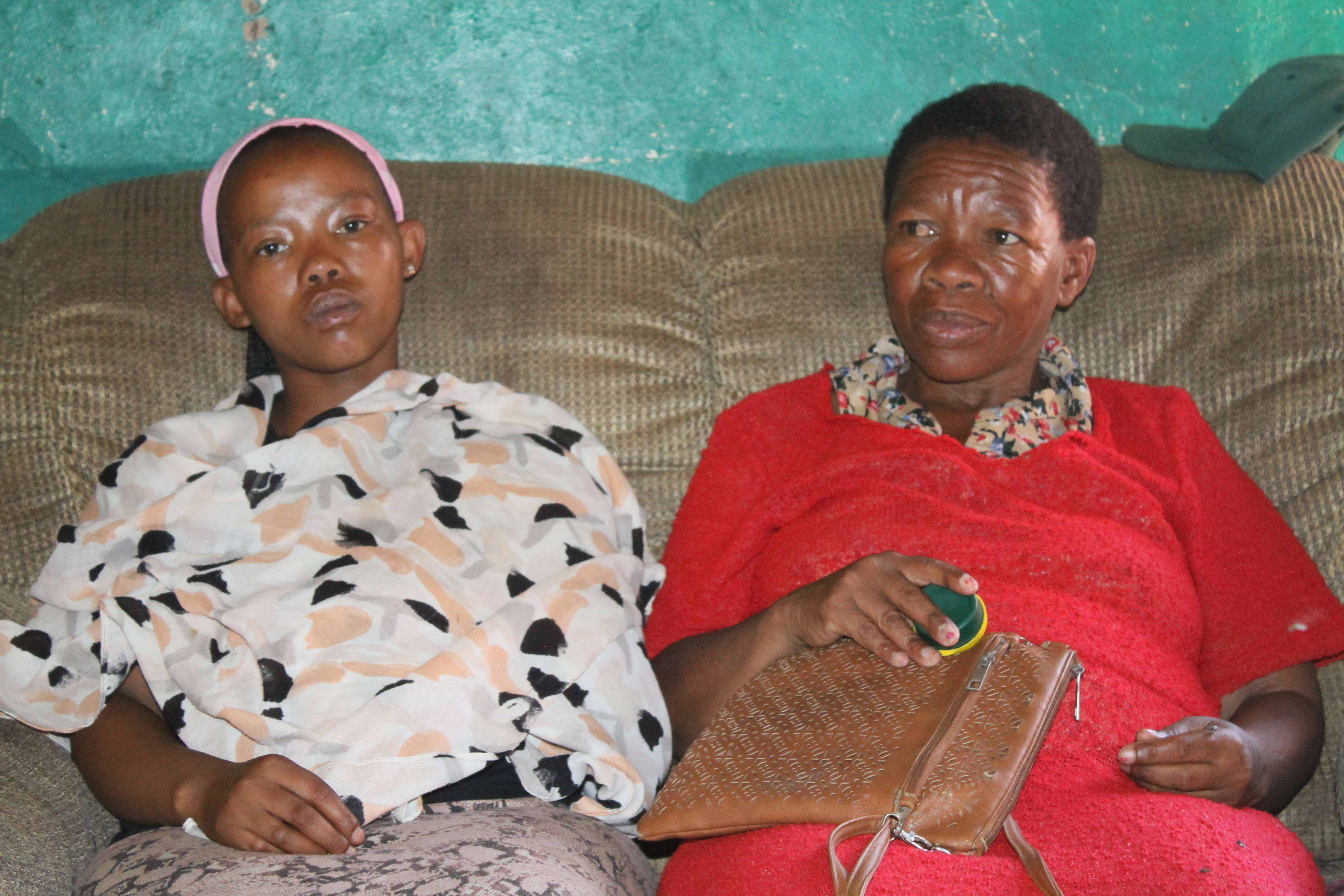
Cousins Katleho Joy Leeuw (3) and Onkarabetse Leeuw (5) were brutally murdered days apart from each other, believed to be the victims of a horrible crime fuelled by deep-rooted rage, jealousy, and a gambling dispute.
Journal News spoke exclusively to Onkarabetse’s mother, Rethabile Leeuw, who believes the murders were an act of vengeance. This after she recounted a chilling visit from her cousin, Vuyiswa Leeuw, Katleho’s mother, on the day Onkarabetse went missing.
“Katleho’s mother, Vuyiswa Leeuw, arrived at my home the day my son went missing. She seemed quite cheerful and friendly for someone who had recently buried a child and mentioned in a happy tone that I can’t have two children, and she only has,” said a deeply torn Rethabile.
“This sent chills down my spine as my partner was arrested in connection with the murder of her child,” she added.
Rethabile, who spoke with sorrow, mentioned that she fears for her life and the life of her remaining child. She also revealed that she was also a victim of Gender-Based Violence (GBV), as her partner - the 29-year-old male suspect - had repeatedly physically abused her and her two children.
“I am quite relieved that my partner has been arrested as he used to viciously beat me and the children up; he showed no mercy to either of us,” Rethabile stated.
Rethabile explained that her partner and his cousin, Vuyiswa, frequently engaged in gambling competitions. On the day Katleho was murdered, she won – which seldomly happens. Allegedly, the suspect could not handle Vuyiswa’s victory and decided to commit a sinister act.
An anonymous neighbour alleged that the suspect, Vuyiswa, and Rethabile Leeuw are all related. The neighbour claims that Rethabile’s firstborn child was a silent victim of sexual assault at the hands of her partner and further alleged that Vuyiswa killed Rethabile’s five-year-old son, Onkarabetse, and had cut him up to feed him to the pigs.
“Vuyiswa and one of her accomplices, a family member of mine, knew exactly where Onkarabetse’s body was and directed the police right to it, and Vuyiswa’s blanket was found covering Onkarabetse’s lifeless body,” the neighbour added.
Lieutenant-General Thabo Covane from the Free State South African Police Services (SAPS) has confirmed the arrest of Vuyiswa. She is expected to appear in the Bloemfontein Magistrate’s Court soon after a case of kidnapping and murder was opened.
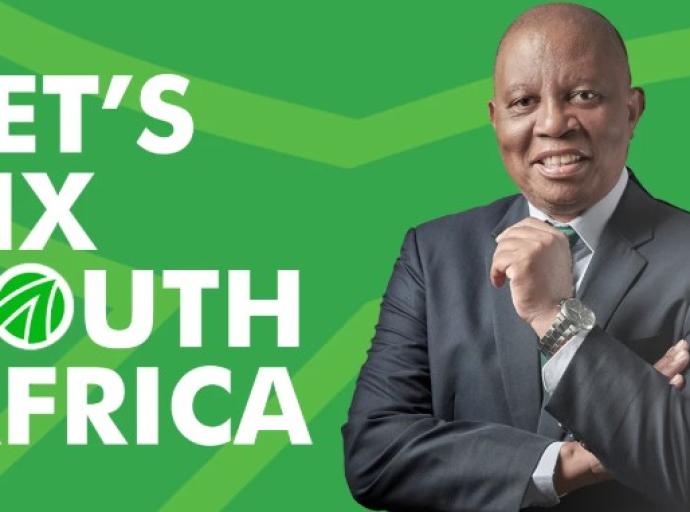
The controversial civil group turned political party has recently come under fire for barricading the entrances of public health facilities and blocking foreign nationals from accessing them.
ActionSA said while it agrees with Operation Dudula’s message against illegal foreigners, it doesn’t condone its methods.
The controversial civil group turned political party has recently come under fire for barricading the entrances of public health facilities and blocking foreign nationals from accessing them.
Last week, the Johannesburg High Court interdicted Operation Dudula from doing this and ordered the police to enforce the law against the group.
According to the latest census data, there are about 2.4 million people of foreign descent living in South Africa, less than 4% of the country’s total population.
ActionSA leader Herman Mashaba said as the Mayor of Johannesburg, he was vilified for raising concern over the rise of illegal immigration into the country.
“Here we are, seven or so years later, everyone is talking openly about illegal foreigners that they are a curse to our nation. We have to deal with them, but we have to deal with them within the legal framework. One of the core values of ActionSA is the rule of law.”
Mashaba said he recently met with Operation Dudula leaders and told them to work within the country’s Constitution to achieve their objections.
He said ActionSA is also doing the same within Parliament, provincial legislatures and the municipal councils where it’s represented.
*This article was first published by Eye Witness News
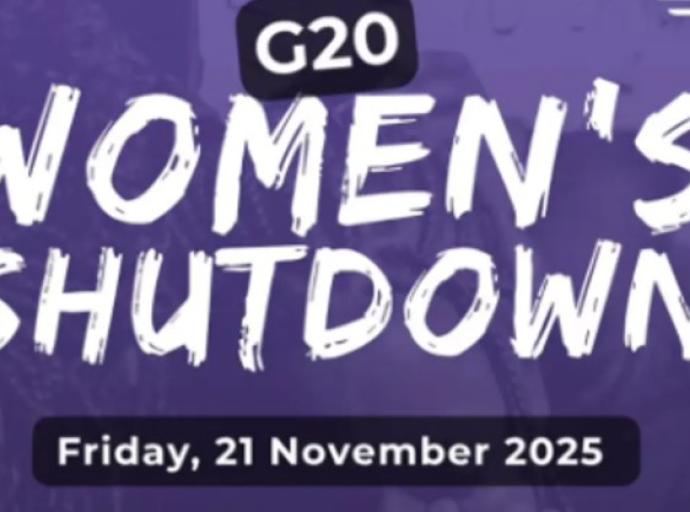
The organisation calls on women in South Africa to withdraw their power at 12pm for 15 minutes on Friday, 21 November. The movement calls on government to declare femicide a national disaster.
Women For Change South Africa, a leading advocacy organisation against gender-based violence, has inspired a nationwide movement turning social media purple. The colour, symbolising strength, justice, and remembrance, honours every woman and child whose life has been taken by gender-based violence.
This wave of purple profile pictures forms part of a broader campaign calling on South African women and members of the LGBTQI+ community to shut down the nation ahead of the G20 Johannesburg Summit, scheduled for 22–23 November.
The message behind purple profile pictures is simple: one day, one message, without women, South Africa stops. Through this movement, Women For Change is urging people across the country to withdraw their power, stand in solidarity, and demand an end to gender-based violence in South Africa.
Women For Change's Merlize Jogiat, who is spearheading this movement, says the call is a demand for the government to declare gender-based violence and femicide a national disaster.
Since the announcement almost a week ago, purple has gone viral across South Africa. Iconic landmarks like the Mall of Africa in Johannesburg and other buildings have illuminated their buildings in purple to show solidarity. The movement has also spread beyond the country’s borders, as people around the world join in, a powerful reminder that gender-based violence knows no boundaries and demands a united global response.
"All we want is for them [South African government] to put resources in the right place," says Jogiat.
"South Africa is a PR state; all we care about is how we look to everybody else. When the reality of what we're dealing with as women and children in this country is so horrific. We are so desensitised to it because every day there's a GBV case in the media. What we will do is sell ourselves to the highest bidder to make money, not thinking about how this is impacting the woman next door who is beaten by her husband. We really need to think about how the citizens of this country are affected on a global scale, and it's important to highlight that a day before the G20.
"Until South Africa stops burying a woman every 2.5 hours, the G20 cannot speak of growth and progress. South Africa's femicide rate is six times higher than the global average."
Women For Change South Africa argues that the only way to end femicide in South Africa is through collective action, with everyone working together to drive real change, including men.
"We serve a group of women who are not being served by the greater system. We are aware that there are so many errors in the system that someone has to jump in and correct them. Men are not excluded from this; they are part of this conversation.
"They are the ones who can speak to the men who are the perpetrators. We want them to join the conversation and pull other men in and recognise how important it is to deal with this issue and stand behind their sisters to push them forward.
"We get things done when we stand together."
On 21 November, women and everyone in solidarity are encouraged to do one or more of the following:
Don't work. No paid or unpaid labour.
Don't spend money and withdraw from the economy for one day.
Join the 15-minute standstill by lying down for 15 minutes at 12 pm to honour the 15 women murdered every day and bring
Bring South Africa to a complete standstill.
Wear black to stand in mourning and resistance.
Change your profile picture to purple to make the shutdown visible online.
Share. Share. Share. Make the shutdown impossible to ignore.
Talk about it, share Women for Change posters using #WomenShutdown
This movement comes after the organisation’s march on 11 April 2025, when Women For Change, alongside activists and citizens, took to the Union Buildings in Pretoria carrying an unburied casket, built 33.8% larger to represent the rise in femicide, draped in mourning cloth, and adorned with 5,578 purple beads. Each bead represented a life lost, a name, a story, a woman murdered in South Africa in just one year.
During the march, the organisation also handed over a petition to the government, now carrying the voices of more than 700,000 South Africans.
Seven months later, following the viral G20 Summit Shutdown campaign and the airing of their interview, the National Disaster Management Centre issued a response.
Minister Sindisiwe Chikunga, in the Presidency for Women, Youth and Persons with Disabilities, rejected the petition’s call to declare gender-based violence and femicide (GBVF) a National Disaster, citing that 'existing frameworks' such as the National Strategic Plan on GBVF (NSP-GBVF) are sufficient.
*This article was first published by Eye Witness News
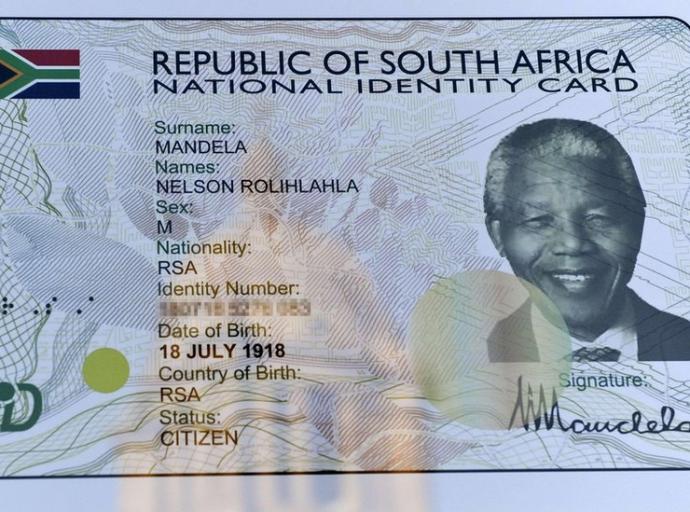
Home Affairs Minister Leon Schreiber has revealed that more than 4.4 million South Africans aged 16 and older do not yet have identity documents.
The disclosure comes in response to a parliamentary question from EFF MP Nonhlanhla Mkhonto, who asked for the total number of South Africans without IDs, the demographic makeup of these individuals, the plans the department has to address the challenge, and the timeframe for these interventions.
According to Schreiber, the National Population Register shows that “there are a total of 4 432 923 South Africans who are 16 years and above who have not been issued with either a green ID book or smart ID card.”
“This figure applies to all demographics within South Africa,” he added, highlighting that the challenge affects citizens across all racial and age groups.
To address the issue, the minister highlighted the department’s digital transformation programme, Home Affairs @ Home, saying it “is designed to reduce pressure on the home affairs system by lessening the need for applicants for routine services to physically visit offices.”
He explained that the programme expands access to smart ID and passport services at “1 000 bank branches and through digital banking apps” and introduces “the option for doorstep courier delivery.”
“This model will allow the department to become a more mobile organisation that systematically documents all undocumented South Africans across the length and breadth of the country,” Schreiber said.
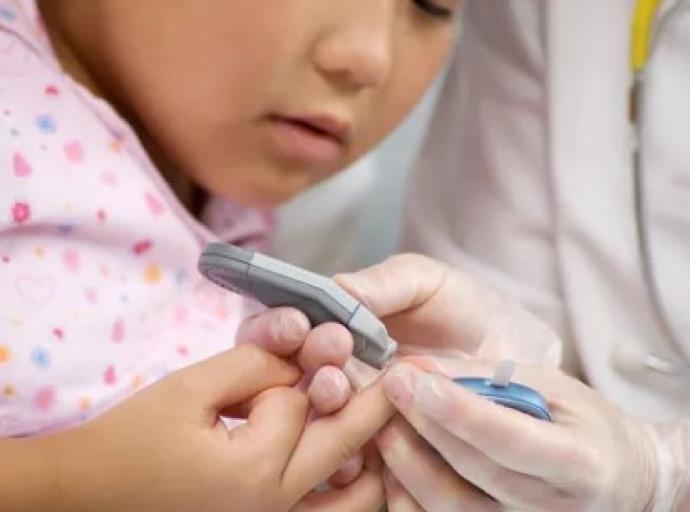
Diabetes, a disease once predominantly associated with adults, is now impacting children at an alarming rate. As childhood obesity rates soar and lifestyles shift towards inactivity, the incidence of diabetes is on the rise, warranting urgent attention from parents and guardians alike. Murray Hewlett, CEO of Affinity Health, emphasises, “Children are being diagnosed at growing rates, and early recognition is vital. The sooner parents act on warning signs, the better the chances of preventing life-threatening complications.”
Type 1 diabetes, Diabetes occurs in two principal forms: Type 1 diabetes, where the body fails to produce adequate insulin, and Type 2 diabetes, where insulin is ineffective. Insulin is crucial for converting glucose into energy; without it, harmful glucose levels build up in the bloodstream, leading to severe health complications. In children, diabetes can escalate swiftly and dramatically, risking conditions such as diabetic ketoacidosis (DKA), which can be life-threatening if untreated.
Recognising the warning signs
Parents need to be vigilant and aware of the warning signs associated with diabetes. Here are seven critical indicators that should never be ignored:
Excessive thirst and frequent urination: Increased thirst often signals the body's attempt to rid itself of excess sugar, resulting in persistent dehydration and frequent trips to the bathroom, even at night.
Extreme hunger and weight loss: Despite an increased appetite, a child may experience weight loss because their body cannot effectively utilise sugar for energy, a serious sign of Type 1 diabetes.
Fatigue and irritability: When glucose is inaccessible to cells, children may seem unusually tired or irritable, struggling to focus in school.
Blurred vision: Elevated blood sugar can cause swelling in the eyes, leading to blurred vision. Sudden vision issues in a child should raise concern.
Slow-healing wounds and frequent infections: Cuts and bruises that take longer to heal could indicate issues with blood sugar regulation. Children with diabetes may frequently experience skin or urinary tract infections.
Fruity-smelling breath: A sweet, fruity odour can indicate diabetic ketoacidosis, a severe condition arising when the body breaks down fat for energy.
Unexplained nausea, vomiting, or abdominal pain: Sudden stomach pains or vomiting without a clear cause may indicate dangerously high blood sugar levels.
The importance of early detection
In children, diabetes is manageable, but late diagnoses can lead to dire consequences. Studies indicate that many children are only diagnosed when they present at the hospital, often already in a state of diabetic ketoacidosis. Parents must not dismiss concerning symptoms as mere childhood behaviour or typical “growing pains.” A simple blood test can confirm the presence of diabetes and facilitate timely intervention.
Managing childhood diabetes
Once diagnosed, managing diabetes in children involves careful attention and support. This typically includes:
Daily insulin injections or insulin pump therapy for Type 1 diabetes.
Healthy eating plans combined with weight management strategies.
Encouraging regular physical activity to enhance insulin sensitivity.
Regular monitoring of blood glucose levels at home.
Ongoing medical support and education for both the child and the family.
The rising challenge of Type 2 diabetes
While Type 1 diabetes is an autoimmune condition that cannot be prevented, the growing prevalence of Type 2 diabetes in children is largely attributed to lifestyle factors. Poor dietary choices, sugary beverage consumption, and physical inactivity contribute significantly to childhood obesity, a pressing concern in South Africa—where nearly 13% of children under five are classified as overweight (UNICEF). Addressing this issue necessitates a collective effort towards healthier eating habits, increased physical activity, and reduced screen time.
Communities and schools play a pivotal role in fostering an environment that encourages healthy choices among children.
As World Diabetes Day approaches, it serves as a reminder for parents and caregivers to remain attentive to the warning signs of diabetes in children. Proactive awareness can prevent life-threatening complications and ensure better long-term health outcomes. Affinity Health stands committed to supporting families through its Diabetes Management Programme, providing access to trained case managers, treatment guidance, lifestyle support, and around-the-clock telehealth GP consultations.
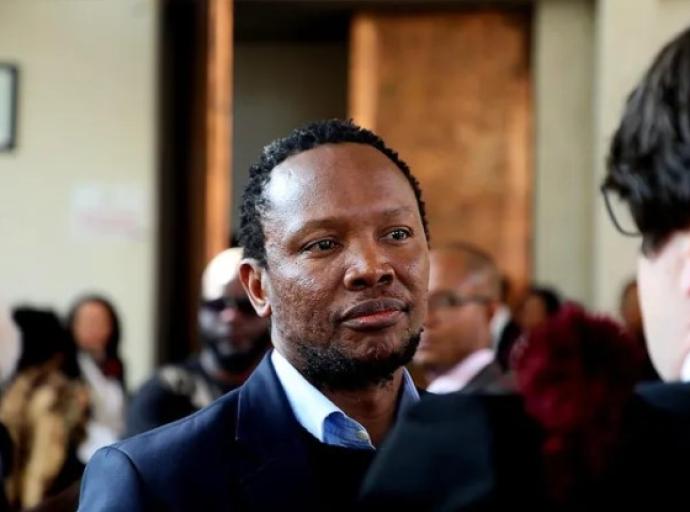
Nkosana Makate, the inventor behind Vodacom’s iconic “Please Call Me” service, remains unfazed by recent claims from Black Rock Mining asserting entitlement to 40% of his multimillion-rand settlement with Vodacom.
Black Rock Mining, however, had previously withdrawn its claim in 2024 and maintains that it never funded Makate’s legal battles.
Speaking to IOL on Tuesday, Makate expressed his surprise at the renewed media claims.
“I have not received any summons nor any indication that they will approach the courts after they had dropped their claim from the High Court last year,” he told the publication.
“I’m not bothered by these assertions, and I’m unsure why the company would now claim entitlement when it had already given up in court. This is nothing but extortion”
He added that his attorneys would communicate any further developments as necessary.
Black Rock Mining, represented by SN Mnguni Attorneys Inc., has sent a letter to Vodacom demanding that the telecoms giant withhold payment to Makate or his legal representatives, Stemela & Lubbe Attorneys.
Attorney Sinenhlanhla Mnguni stated that they have reason to believe Stemela & Lubbe might not distribute the awarded funds fairly to Black Rock.
In a letter viewed by IOL, Mnguni requested that Vodacom confirm whether payment instructions had been issued to Stemela & Lubbe’s trust account and warned that Black Rock intends to initiate legal action against Makate if the settlement is released without addressing their claim.
The attorneys set a deadline, at the close of business on Monday, November 10, 2025, for Vodacom to provide an undert`aking not to pay Makate.
Failure to comply would result in Black Rock seeking a court interdict to withhold payment.
Black Rock’s claim traces to an agreement concluded between Makate and Chris Schoeman in 2011.
The dispute between Makate and his former funders surfaced publicly in June 2016, shortly after Makate’s Constitutional Court victory.
Schoeman accused the legal team, Stemela & Lubbe, of attempting to undermine the original funding contract by pressuring Makate into canceling it.
Through another company, Raining Men Trade, Schoeman raised investment funds, allocating 4%–5% of the eventual settlement to each investor, all of whom bore the risk of an unfavourable outcome.
Meanwhile, Vodacom reported a 32.3% increase in half-year headline earnings per share (HEPS) to 467 cents, attributed partly to the one-off settlement payment to Makate over the “Please Call Me” matter - though the figure remains towards the low end of Vodacom’s updated guidance.