Free State Targets Surgical Backlogs
The three-day Cataract Marathon, held over the weekend at Boitumelo Regional Hospital in Kroonstad, was a great success, with over 100 patients receiving treatment.
Screening was conducted last week Friday with cataract operations scheduled for Saturday and Su...
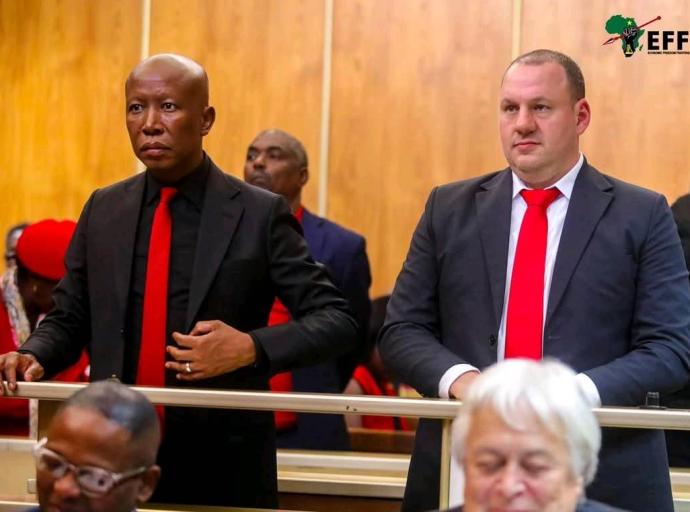
The bodyguard of the Economic Freedom Fighters (EFF) president, Julius Malema, Adriaan Snyman, is taking the state to court
Snyman was prosecuted with Malema, who discharged a firearm at a rally in Mdantsane in the Eastern Cape in 2018
Snyman accused the state of malicious prosecution as Malema awaits in the Eastern Cape during his pre-sentencing hearing
With 10 years’ experience, Tebogo Mokwena, Briefly News’ Deputy Head of the Current Affairs desk, South Africa, provided insights into the criminal justice system, crime statistics, commissions of inquiry, and high-profile cases in South Africa at Daily Sun.
KUGOMPO CITY, EASTERN CAPE— Adriaan Snyman, the bodyguard of Economic Freedom Fighters (EFF) president Julius Malema, is suing the state for prosecuting him alongside Malema, who was found guilty of discharging a firearm at an EFF rally in 2018.
According to SABC News, Snyman's spokesperson said that there was no evidence against him, and consequently, no case against him. She said that Snyman was relieved that he was acquitted of his charges. She added that Snyman demanded over R20 million, and a written letter of demand was sent to the South African Police Service and the National Prosecuting Authority (NPA). The letter was written over 30 days ago. However, the NPA and SAPS did not respond. Snyman is accusing the state of malicious prosecution.
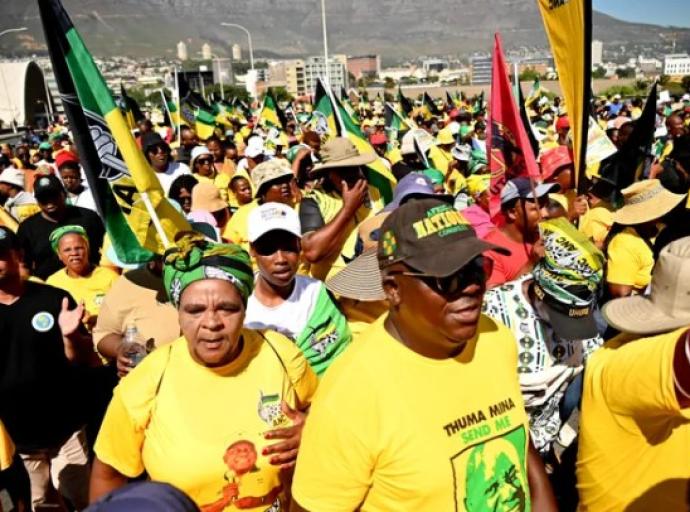
Despite the ANC’s opposition to the South African Communist Party’s (SACP) plans to contest the upcoming local government elections, a segment of the party’s members, especially those who are dissatisfied with the current leadership, supports the decision.
This comes after the ANC National Executive Committee (NEC) reportedly moved to enforce a hardline stance following the alliance partner's decision to contest elections independently, effectively opposing the ANC at the polls.
According to the NEC, if a member votes for or campaigns for the SACP, they are effectively violating the ANC constitution.
The party reportedly invoked sections of the party’s constitution that prevent members from joining or supporting an opposition party (the SACP).
Under the ANC constitution, any member who contests elections against the ANC or supports an opposing party, forfeits their membership.
The party’s senior member, previously linked with the left-wing faction within the ANC, said SACP is an independent organisation and that there is nothing wrong with the alliance contesting the elections.
The member, who opposed the NEC decision during the meeting, said they argue that the ANC is not a “state power”, adding that both the SACP and the ANC should continue engaging and deal with the reconfiguration of the alliance.
Senior members such as Andile Lungisa, Lindiwe Sisulu and Mzwandile Masina reportedly opposed the ANC’s decision, calling for further engagement with the SACP.
In a statement that was issued on Sunday, the ANC said the NEC meeting deliberated on this matter with its mandate from the National General Council (NGC), adding that the party has accordingly reached a considered position, informed by organisational processes and guided by the party’s historic mission.
“Following the Special NEC, the ANC national officials have been formally mandated to engage the leadership of the SACP on the outcome of the NEC deliberations, as well as to consult further with other alliance partners,” read the statement.
ANC and SACP have a historic tripartite alliance (alongside Cosatu) stemming from the 1950s struggle against apartheid, deeply merging their leadership and ideologies. They jointly adopted the Freedom Charter in 1955, and, following a 1928 initiative to transform the ANC into a revolutionary movement, the two organisations have closely cooperated to pursue the National Democratic Revolution (NDR).
The SACP resolved to contest upcoming elections outside the ANC umbrella in December 2024, following the ANC’s loss of a parliamentary majority and its entry into a Government of National Unity (GNU) with right-wing parties.
The insider said as things stand, ANC members will campaign for the party, while the SACP will campaign for their party.
He said those with dual membership will make their choice as to who they campaign for.
Meanwhile, political analyst Professor Sipho Seepe said there is little doubt that the SACP's decision to contest elections outside the ANC umbrella is borne out of ideological frustration with the ANC.
Seepe said the SACP sees itself as an abused partner called upon to campaign jointly with the ANC only to find its programmes and policy intentions placed on the periphery.
“The SACP is on record of being ignored by the ANC when key issues such as the ANC coalition with the DA. Its decision to contest is a way of saying it has had enough of the abuse,” he said, adding that the ANC is fast losing its traditional supporters amongst workers and the split with SACP will deepen the chasm.
Political analyst and governance expert, Sandile Swana, said the SACP has no choice but to stand up and contest the elections.
He said this is because the position of the potential working class in South African politics, especially through the ANC, has been compromised, adding that 64% of citizens live below the poverty line, while 54% are unemployed in some provinces.
“The ability to build a strong working-class has been undermined by the policies of the ANC to increase unemployment, especially after 2008,” said Swana, adding that the politics of the ANC at the moment have no ideological debate because the party lacks intellectuals.
He added that the SACP should develop its own intellectual work and political work and mobilise the working-class.
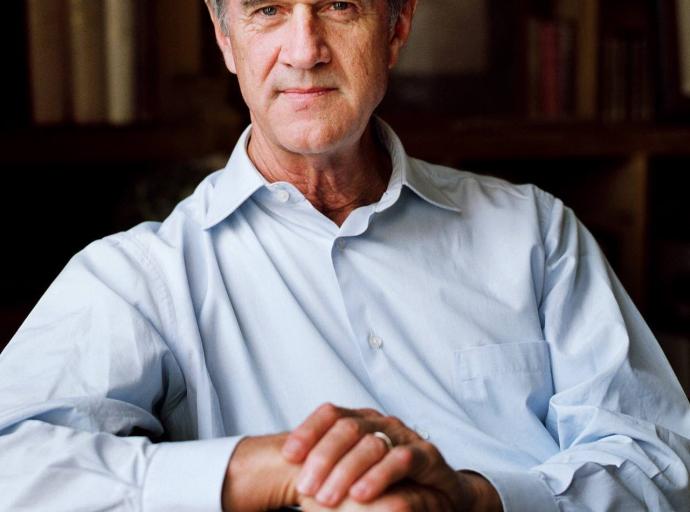
President Cyril Ramaphosa has appointed Roelf Meyer as SA ambassador to the United States, President’s spokesperson Vincent Magwenya says on Tuesday.
Pretoria is seeking to stabilise its relations with Washington following a turbulent year.
Meyer, aged 78, is set to replace Ebrahim Rasool as ambassador.
After the unbanning of the African National Congress (ANC) and the release of Nelson Mandela in February 1990, Meyer joined the government delegation for the Groote Schuur talks with the ANC – an early step in South Africa’s transition.
A seasoned negotiator, he later became the chief representative of the white minority government in the negotiations that led to the end of apartheid, working alongside Cyril Ramaphosa, who represented the ANC.
A prominent political figure, Meyer brings extensive experience from both the pre- and post-democratic eras of government.
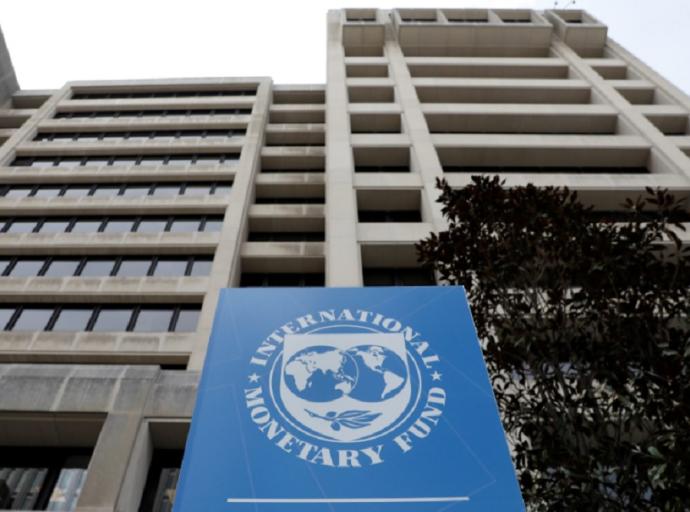
The International Monetary Fund (IMF) says the war in the Middle East threatens to throw the global economy off course. It is pegging that global economic growth will be 3.1% in 2026, down on its earlier estimates.
And for South Africa, it sees growth coming in at a mere 1.0% much lower than National Treasury’s estimate of 1.6%.
It says higher oil prices will elevate inflation in the short-term, but says central banks will need to keep a close eye on the inflation trajectory and, if necessary, intervene with higher interest rates, which global markets are already pricing into their assumptions for this year.
When National Treasury delivered the 2026 National Budget on 25 February, the idea that a major conflict would break out in the Middle East that would cause a major energy crisis was far from mind, with the outlook for economic growth and inflation positive.
But the IMF says with the closure of the Strait of Hormuz and now the US’s blockade of Iran’s blockade, the global economy is likely to be in for a rough ride this year.
“Higher commodities, negative supply shocks, raising prices and costs disrupting supply chains and eroding purchasing power. Secondly, these effects may be amplified as firms and workers try to recoup losses, rising wage price spirals, especially where inflation expectations are poorly anchored. Thirdly, financial conditions with lower asset valuations, higher risk premium, capital flight, dollar appreciation, dampening demand,” says IMF Chief Economist Pierre-Olivier Gourinchas.
Due to the uncertainty that prevails because of the geopolitical environment, the IMF has considered three possible scenarios for the global economy.
“Our reference forecast assumes a short-lived conflict and a moderate 19% rise in energy prices…while inflation exceeds 6%,” says Gourinchas
He says given recent developments in the Middle East, downside risks appear to be very elevated but noted that the situation is extremely fluid.
In the meantime, the IMF says while governments need to be sensitive to the inevitable increase in the cost of living, they must ensure that any support given to their citizens falls within their fiscal abilities so as to ensure that already high debt levels are not worsened.
Cooperative Governance and Traditional Affairs (COGTA) Minister Velenkosini Hlabisa is expected to lead a National Disaster Management Strategic Indaba in Kempton Park, East of Johannesburg, on Tuesday.
The gathering aims to strengthen the country’s ability to prevent, prepare and respond to disasters.
The Indaba is part of the government’s ongoing efforts to strengthen South Africa’s disaster management systems and improve response times in the face of increasing climate-related and human-induced disasters.
This includes improving early warning systems, enhancing emergency response plans, building resilient infrastructure and promoting community preparedness.
Several provinces, including Limpopo and Mpumalanga, have in recent times experienced devastating floods, leaving families destitute.
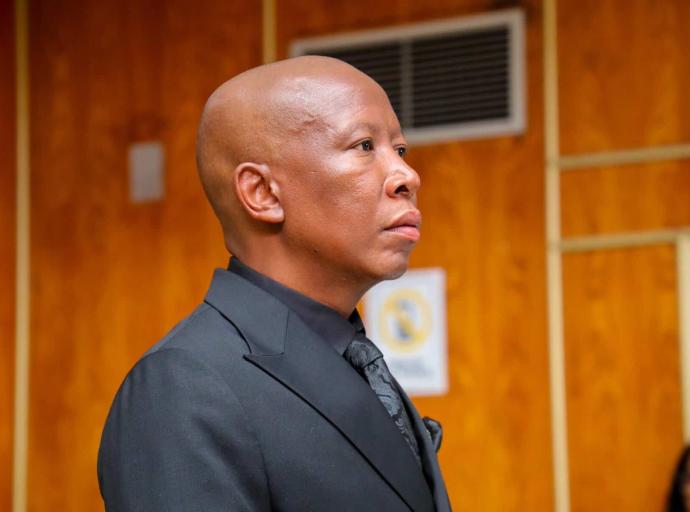
The Economic Freedom Fighters (EFF) leader Julius Malema is expected to be sentenced in the East London Magistrate’s Court in the Eastern Cape this Wednesday morning.
He was convicted last year on multiple charges, including unlawful possession and discharging a firearm in a public area.
The shooting incident was captured on video.
It happened during the EFF’s fifth anniversary celebrations at the Sisa Dukashe stadium in Mdantsane in July 2018.
Malema has vowed to head to the highest court in the land to contest his sentence.
“If they send me to prison, I will appeal, immediately. I will have a team in Bhisho and a team in East London, the same day. Once she says so, whatever, yes, then we put in a leave to appeal. Once she rejects it, the Bhisho team will petition the High Court and then send us proof that they’ve already petitioned the High Court.
The case against Malema was opened by lobby group AfriForum.
During the pre-sentencing hearing in January this year, the court heard the testimony of a social worker, who testified in mitigation, which included Malema’s political impact on society and as a sole provider to many people, including his family.
Despite the social worker’s testimony, the state reserves its position of the 15-year sentence, which Malema says he is more than ready to take on.