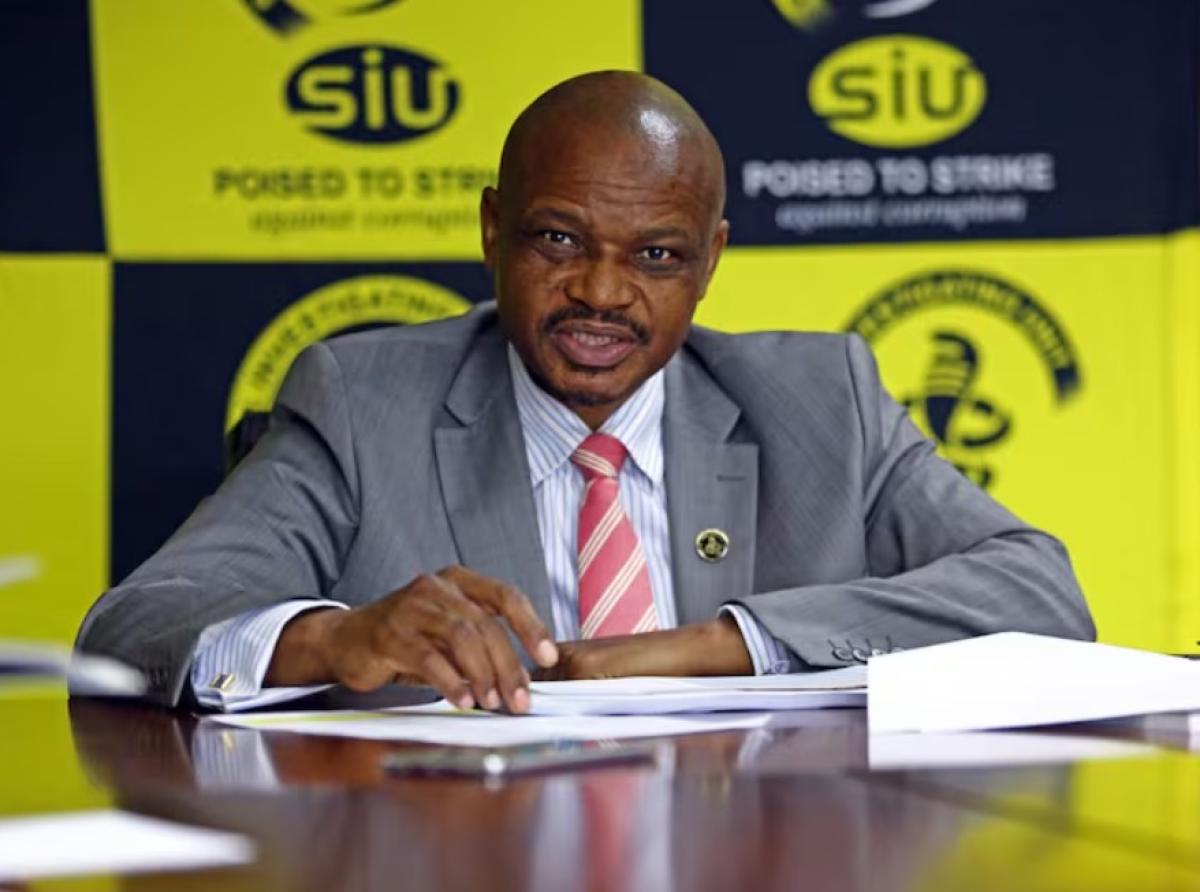
The allegations of maladministration, corruption and irregular expenditure linked to two major infrastructure projects in the Northern Cape have prompted President Cyril Ramaphosa to authorise the Special Investigating Unit (SIU) to investigate.
The investigations will focus on the construction of the new Kuruman Secondary School in Wrenchville/Kalahari and the rehabilitation of road MR938 between Hotazel and Kathu.
The road rehabilitation project was put out to tender in 2017, but the procurement process was later challenged in court, with the tender award set aside in 2020.
The Kuruman New English Medium Secondary School project was planned in response to a longstanding need for additional school infrastructure in the area. Concerns about school accommodation and learner capacity in Kuruman date back years, with the provincial government previously highlighting pressure on existing schools including Wrenchville Secondary School and Kalahari High School.
By 2023, the new Kuruman school had been identified as one of seven schools being built in the Northern Cape to address infrastructure challenges.
The province’s 2023/24 annual report recorded the project as still under construction, while its 2024/25 infrastructure evaluation listed it amongst projects affected by municipal approval challenges.
Under Proclamation 331 of 2026, the SIU will investigate the procurement of goods, works and services for the Kuruman Secondary School project in the Northern Cape Department of Education.
The investigation covers conduct between 8 December 2016 and 7 August 2026. It may also extend to conduct outside this period where it is relevant to the investigation and involves the same people, entities or contracts.
“The investigation will determine whether procurement processes were conducted fairly, competitively, transparently and cost-effectively, and whether any irregular expenditure was incurred,” said Selby Makgotho, SIU Spokesperson.
Makgotho said that the SIU will also examine any irregular, unlawful or improper conduct by officials, employees, individuals or entities linked to the project.
Meanwhile, Proclamation 333 of 2026 empowers the SIU to investigate the rehabilitation of road MR938 between Hotazel and Kathu under Tender DRPW 039/2017.
The investigation period runs from 8 December 2017 to 7 August 2026. The SIU can also investigate related conduct outside this period where necessary.
The investigation follows allegations of maladministration, irregular procurement and wasteful expenditure in connection with the project.
Makgotho also stated that the SIU will investigate the conduct of officials, service providers and other entities implicated in the allegations, including whether procurement and related processes complied with the law.
“The investigations form part of the SIU’s broader mandate to identify wrongdoing, recover financial losses suffered by the State and address systemic weaknesses that may contribute to future losses,” he added.
Where evidence of criminal conduct is uncovered, the SIU will refer the matter to the National Prosecuting Authority for possible further action.
He stated that the SIU may also institute civil proceedings in the High Court or Special Tribunal to recover losses or address wrongdoing arising from corruption, fraud or maladministration.
The latest SIU investigations come as the Northern Cape government faces growing questions about accountability and the management of public funds.
The Roads and Public Works department has recently been under the spotlight following the resignation of MEC Fufe Makatong.
Makatong resigned after raising concerns about changes being made in the department without proper consultation and communication.
The developments also come as Northern Cape Premier Zamani Saul pushes for lifestyle audits of government officials. Saul has called for officials to account for their wealth and assets as part of efforts to improve accountability in the provincial government.
The SIU has been conducting lifestyle audits across the province, with Saul previously stating that more than 60% of the required audits had been completed.