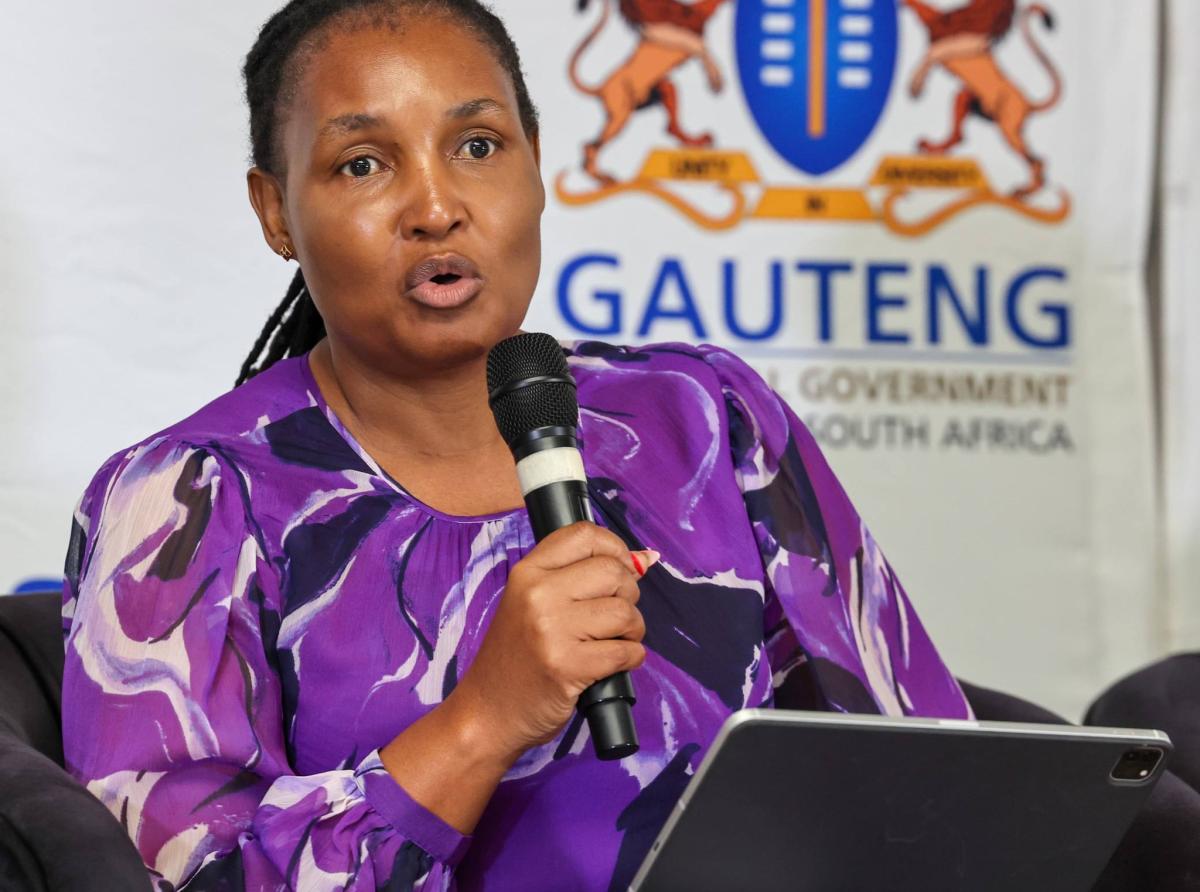
Minister of Human Settlements Thembi Simelane has disclosed that over 200 housing projects across the country are currently stalled.
This follows Simelane’s responses to a series of parliamentary questions from MPs of the MK Party and the EFF, detailing the current housing crisis.
Asked by the MK Party MP Jeffrey Bhekumndeni Mtolo about the current number of incomplete and abandoned housing projects, Simelane said a total of 212 projects with a funding of R37.9 million were categorised as blocked nationally.
While the Eastern Cape appears to be unaffected, other provinces are grappling with significant numbers of incomplete projects.
Simelane outlined the collaborative efforts between the national and provincial governments to tackle these blockages across the country.
“This support includes technical assistance, strengthened monitoring, targeted interventions where required, and coordinated planning to ensure that project blockages are systematically resolved.”
There was also a collaboration with provinces to develop turnaround strategies and monitor progress on stalled projects.
Simelane added that the blocked projects are now a standing agenda item at the MinMEC - a forum for the Human Settlements Minister and MECs.
“This ensures collective problem-solving, policy alignment, and coordination between the three spheres of government,” she said.
The minister further said the provinces were required to submit regular reports on blocked projects, enabling the national department to intervene early and support recovery plans.
Simelane explained that the projects are stalled due to a combination of technical, administrative, environmental, and social factors.
Reasons provided for the failure of the projects include contractors abandoning projects due to non-performance, bulk infrastructure challenges, and administrative delays, among others.
Simelane said many projects cannot proceed because municipalities are unable to provide essential bulk services such as water, sewer, road access, and electricity infrastructure.
“Projects located on difficult terrain or areas requiring extensive environmental compliance unavoidably experience delays during planning or construction phases.”
She noted that land invasions and illegal occupation of project sites disrupted implementation, leading to stoppages, while legal and community processes unfold.
“Protests, disputes over beneficiary lists, or resistance to relocation of households contribute to delays.”
Simelane added that there were cases where contractors have abandoned projects or failed to perform, requiring termination and procurement of replacement contractors.
In response to the failure of contractors to deliver, the department has taken steps to blacklist non-performing contractors in areas where communities have waited for more than 10 years for housing.
While the data did not explicitly include a formal blacklist register, she said affected contractors were replaced across the projects.
“Provinces are expected to replace non-performing contractors with the new implementers across Integrated Residential Development Programmes, People’s Housing Programme, and rectification projects,” she said.
There was also a suspension of payments where no progress was achieved, and a re-tendering of abandoned projects.
Simelane further said projects that experienced delays during the period between 2006 and 2014 were reactivated in the business planning cycle that started in 2023/24 and ends in 2026/27.
She indicated that rectification, emergency housing, and disaster programmes targeted long-standing backlogs, informal settlements, and disaster affected households.
There was also budget re-allocation for affected projects as well as investments towards bulk infrastructure and site development.
“This is evident in supplementary funding to Housing Development Agency, Integrated Residential Development Programme, rural housing, and high-density informal settlements upgrades.”
According to Simelane, her department delivered 38,453 housing units as of the end of March.
“This represents 105.2% against the target for houses or units,” she said when responding to EFF MP Marshall Dlamini.
*This article was first published by IOL News