By Bernell Simons
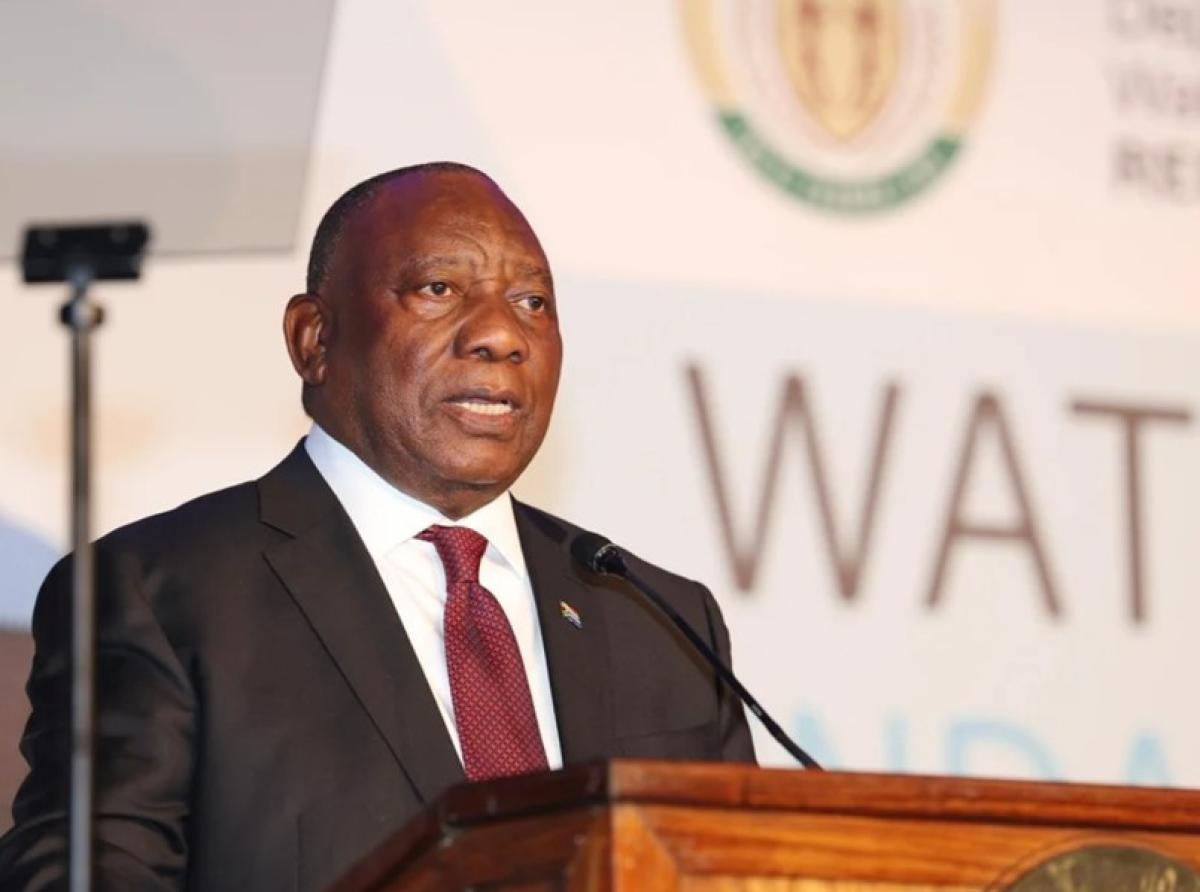
President Cyril Ramaphosa’s proposed R54 billion performance-linked incentive to rescue failing municipal water, sanitation and electricity systems is already under scrutiny, with experts warning that money alone will not fix entrenched governance failures.
Announced during the 2026 State of the Nation Address, the six-year funding package is designed to pressure metros to reform struggling utilities and reinvest revenue into maintaining and upgrading critical infrastructure.
Ramaphosa also unveiled a National Water Crisis Committee — which he will personally chair — to coordinate interventions and deploy technical experts to distressed municipalities.
In a further sign of a tougher stance, criminal charges have been laid against 56 municipalities for failing to meet their water obligations. Municipal managers could also face prosecution in their personal capacities under the National Water Act.
But Professor William Gumede of the Wits School of Governance cautioned that without decisive leadership changes and strict consequence management, the incentive risks becoming “another bailout that disappears”.
He argued that municipal collapse is rooted less in a lack of funding and more in weak technical capacity, political patronage and corruption. Docking salaries, dismissing non-performing officials and clawing back funds from contractors who fail to deliver, he said, are critical steps to ensure reform.
Dr Ferrial Adam of WaterCAN described the allocation as inadequate given the scale of infrastructure decay and the high levels of non-revenue water — treated water lost through leaks, theft or billing failures. She stressed that municipalities must prioritise leak reduction, strengthen financial controls and enforce accountability if the funding is to translate into reliable service delivery.
While Ramaphosa’s intervention signals urgency at the highest level, analysts warn that without firm accountability and sustained oversight, billions more could be spent without restoring water security to struggling communities.
For residents facing dry taps and crumbling infrastructure, the success — or failure — of this plan may determine whether South Africa averts a full-scale municipal collapse or sinks deeper into its service delivery crisis.