The easiest way to win an argument in South Africa is not to answer it. Simply call your opponent a xenophobe. It is a remarkable socio-political invention. No statistics required. No policy discussion necessary. No examination of border management. No debate about the destruction. Just one magic word and the conversation is over.
The elite have discovered that moral intimidation is cheaper than accountability. Every nation under the sun reserves the right to determine who enters its territory. France does. Botswana does. Namibia does. Japan certainly does. But South Africa is expected to apologize for even discussing the matter.
Years ago, then Minister of Home Affairs, Aaron Motsoaledi attempted to prevent hundreds of ‘asylum seekers’ from entering South Africa after they had travelled through multiple countries on their journey from wherever they came from. Litigation facilitated NGOs, the usual suspects, followed. Courts intervened. Government had to adjust.
But the obvious question would have been why they traveled across so many countries to reach South Africa? Why is South Africa so uniquely attractive? Government attempted to resist but NGOs made certain that litigation followed and the courts eventually shaped the outcome. But somewhere in that legal battle, South Africans lost the ability to ask perfectly legitimate policy questions about immigration. We were instead hoodwinked into believing that asking the question was itself immoral. Since 2008, this has become the preferred style here at home, that is to say, we replace accountability with accusations.
And the greatest defenders of this arrangement are often those who suffer least from its consequences. The professor in a gated estate. The activist whose children attend private schools. The consultant with comprehensive medical aid. The columnist whose interaction with hardship begins and ends with a Sunday newspaper opinion piece. The former President whose only nightmare is finding his scotch whiskey half full and half empty. For most of them, immigration is a philosophical exercise.
For the poor, it is a question of whether they still come first in their own country. It is easy to speak of open borders when your own gate is electric. The poor, on the other hand, experience it under burdens they were never designed to carry.
To millions of poor South Africans, it is about the mother in Khayelitsha who buries her child after he is consumed by drugs that circulate freely in the township. It is the homeowner in Rosettenville who watches as his family home gets hijacked by foreign thugs. It is the father in Botshabelo who takes his son to Kgauho Secondary School and eventually loses him to nyaope merchants before education has a chance. It is the shop-owner trying to keep his family alive only to be sandwiched out of business by marauding Somali and Ethiopian spaza shops. It is the pregnant woman in Tembisa who gives birth in casualty because the last available bed has been given to an illegal immigrant. It is the sister who is forced to trade in coitus because she is addicted to coccaine. These experiences deserve empathy and not ridicule.
None of this means every foreign national is responsible for South Africa's problems. That would be dishonest. Many immigrants obey the law, contribute to the economy and have become part of the fabric of our society. They are not the issue. The issue is whether South Africa still has a functioning immigration system.
A sovereign state is not defined by the size of its flag but by its willingness to administer its laws. Borders without enforcement become suggestions.
We shall never resolve our immigration challenges until we get rid of this dangerous habit of calling ordinary people xenophobic whenever they complain about illegal immigration. A country that cannot ask questions about immigration policy has surrendered democratic debate.
South Africans are expected to produce passports when travelling to Botswana, Namibia or the United Kingdom. No one calls those countries xenophobic (and racist) for enforcing their immigration laws. Perhaps the greatest contradiction in this whole thing is that even governments that publicly condemn South Africans simultaneously insist on rigorously verifying citizenship before accepting their own people. If every sovereign state has the right to know who belongs within its borders, why should South Africa alone be denied that same right? Sovereignty cannot be a principle that applies everywhere except in the south of Limpopo.
South Africans too have a right to ask their own government to do precisely the same. The real scandal here is not that citizens are asking difficult questions. The real scandal is that we have spent years avoiding them.
We cannot keep postponing a conversation that every serious nation eventually has, that is, how to balance compassion with sovereignty, human dignity with the rule of law and solidarity with the constitutional duty to protect the interests of its own citizens. A country that cannot distinguish between hatred for foreigners and legitimate demands for lawful immigration policy has not solved the problem.
It has merely renamed it.
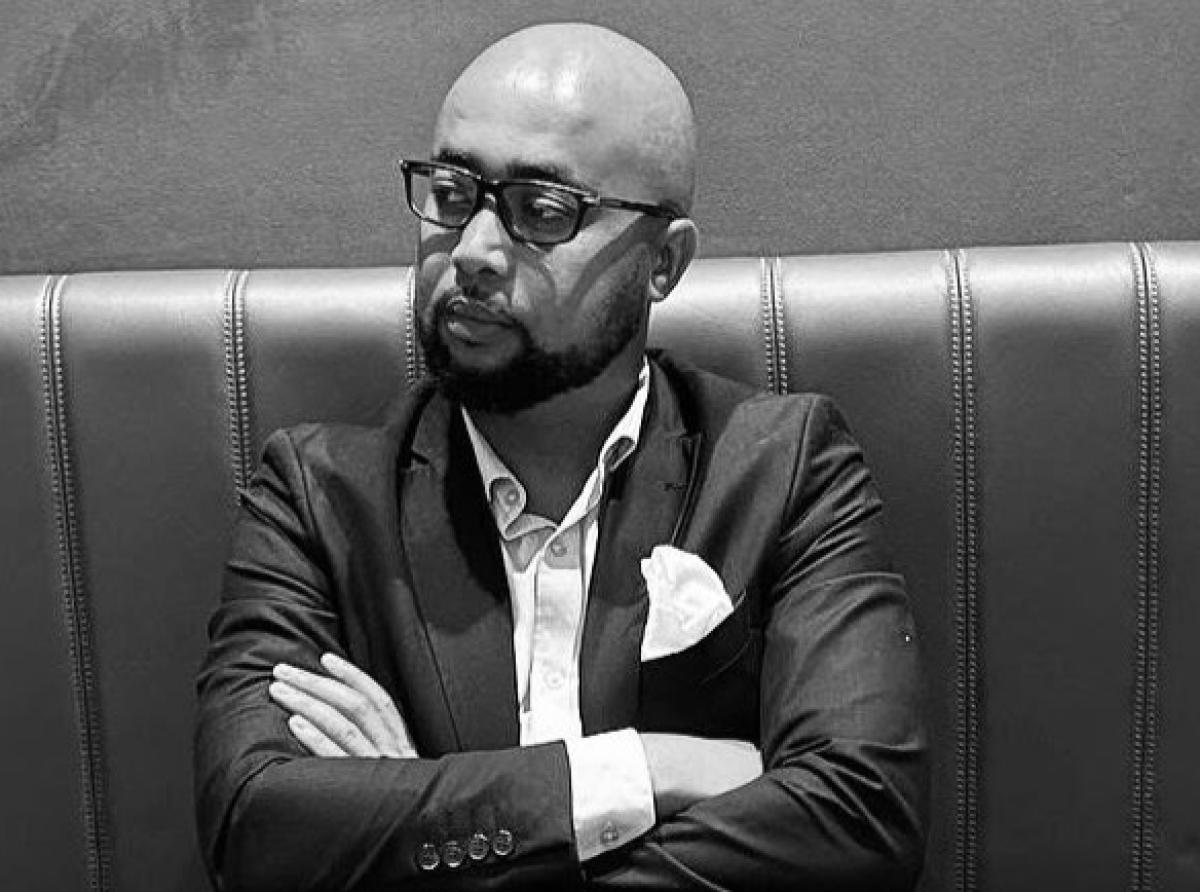
*Tshediso Mangope moonlights as a social and political commentator in his spare time…
** The views expressed do not necessarily reflect those of this publication (