By Bernell Simons
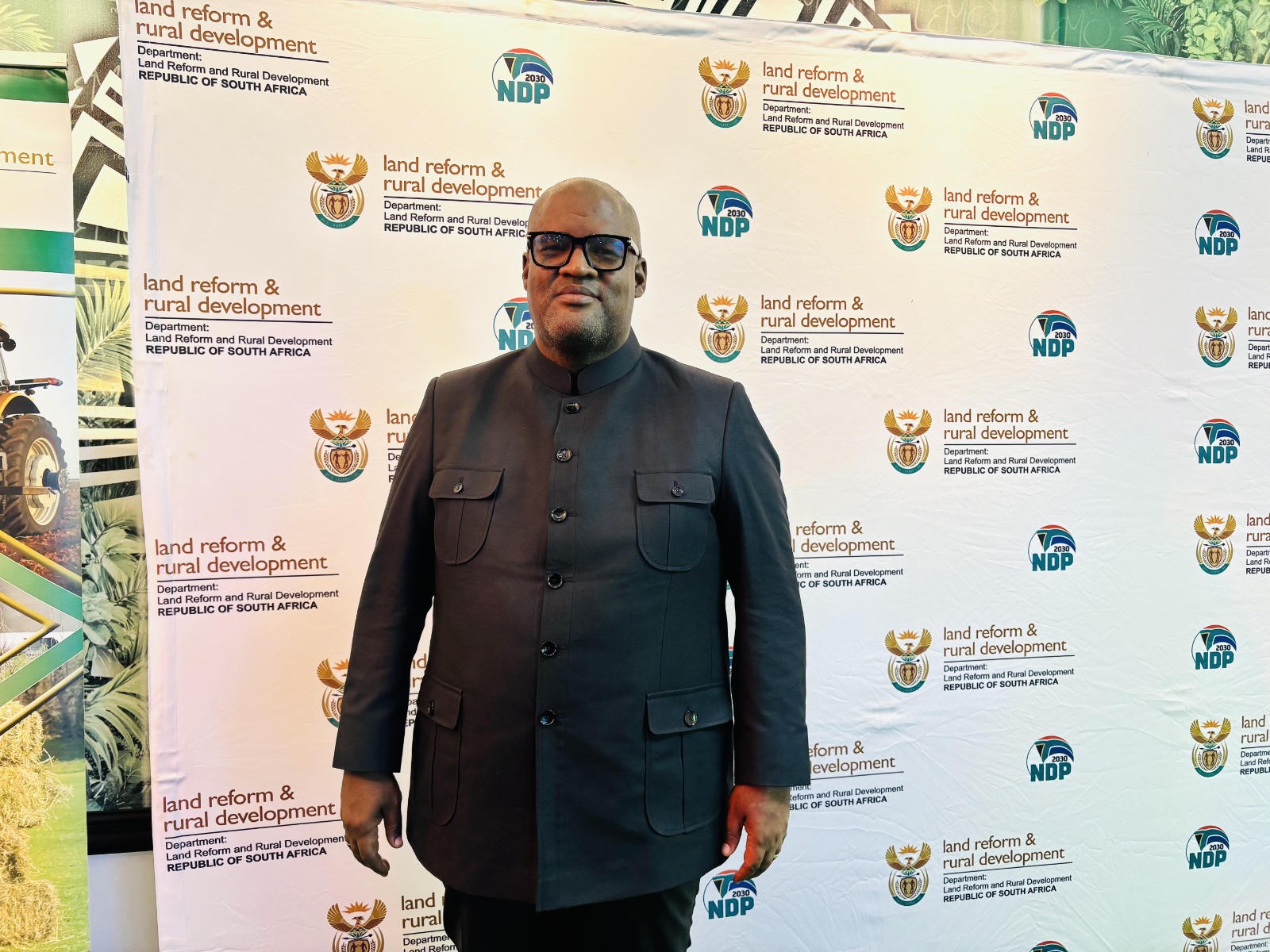
South Africa’s land reform programme is under renewed scrutiny after Minister Mzwanele Nyhontso conceded that many redistributed farms and communal land projects are failing to generate jobs, improve food security, or build sustainable rural economies long after land has been handed over to beneficiaries.
“If land reform is meant to restore dignity and economic freedom, why do so many redistributed farms and communal land projects still struggle to create jobs, improve food security, and build sustainable rural economies years after transfer?”
That was the pointed question posed by Journal News to Nyhontso during a departmental engagement focused on the future of South Africa’s rural land development reform programme.
Addressing stakeholders during an update session on land reform processes and rural development initiatives, Nyhontso acknowledged that many redistributed farms and communal land projects across the country continue to face severe operational and financial difficulties long after transfer.
“Today, I am here to provide an update on the ongoing work within the department,” the minister said, explaining that discussions began the previous day and were continuing as government prepared for further land transfer processes and engagements with affected communities and stakeholders.
He said government hoped the engagements would help “move the programme to the next level” and strengthen implementation across rural areas.
Responding directly to concerns over the poor performance of some land reform projects, Nyhontso admitted that beneficiaries often struggle because they lack sufficient capital, infrastructure, equipment, and technical support to sustain farming operations and rural enterprises.
“This is a challenge affecting many parts of South Africa,” he said. “We are operating under very difficult conditions.”
The minister further acknowledged that government is facing “serious issues” in ensuring long-term sustainability within the sector, while stressing that interventions are being developed to support communities and improve productivity on transferred land.
The discussion again spotlighted growing concerns over whether land reform is producing meaningful economic outcomes, as pressure mounts on government to ensure redistribution programmes create real opportunities rather than simply transferring ownership on paper.