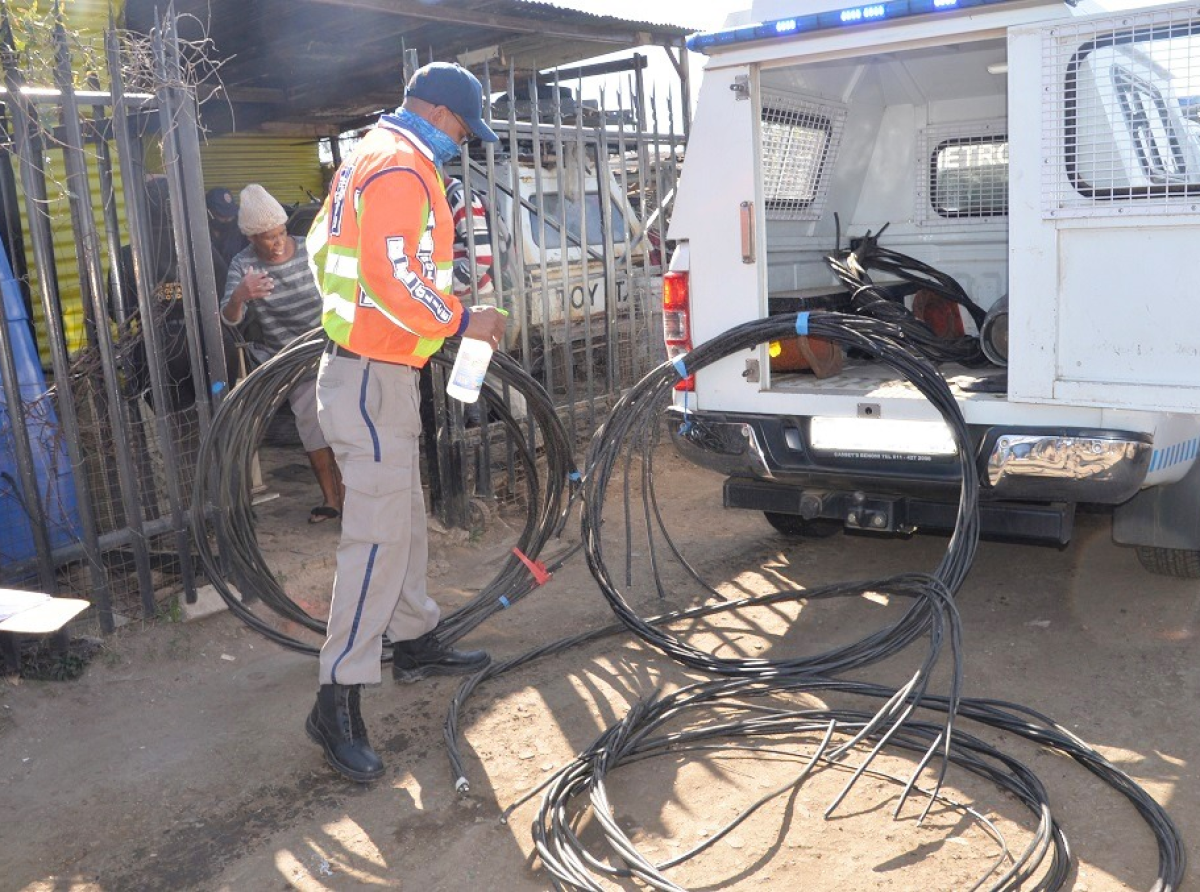
Organised criminal syndicates are crippling municipal electricity distributor, Centlec, by stripping away essential electricity infrastructure and plunging communities in Mangaung into darkness. The Mangaung energy utility is locked in a costly cycle of repairing ongoing damage instead of expanding the network.
During a single financial year, the entity spent more than R50-million replacing stolen electrical cables and repairing vandalised infrastructure.
This deepening crisis drains critical municipal revenue, delays infrastructure upgrades, diverts technical teams from planned maintenance, and leaves entire neighbourhoods without power.
The rolling blackouts disrupt businesses, disable traffic lights, stall factories, and compromise local health facilities and water pumping stations.
In August 2024, the utility reported an alarming increase in theft along strategic routes, including the N8 Airport corridor, Hilton, and the N1.
Centlec has on previous occasions warned that replacing stolen cables had become financially crippling while placing motorists and pedestrians at risk due to dark streets.
The crisis has also turned fatal, with a suspected cable thief electrocuted earlier this year while attempting to steal overhead lines in Phase 6, Bloemfontein. Centlec subsequently identified other parts in the city, namely Lourierpark, Phase 6, Uitsig and Fauna, as areas that also experience repeated attacks on electricity infrastructure.
In June this year, a truck loaded with an assortment of stolen copper cables was intercepted on the N1 road near Glen outside Bloemfontein, after the utility’s security department received an anonymous tip-off.
In two other separate incidents that also took place last month in Bloemfontein and Botshabelo respectively, two men were arrested for tampering with essential electricity infrastructure and stealing copper cable worth around R35 000 collectively.
These copper theft occurrences take place regularly and are believed to be driven by skyrocketing international copper prices - which have transformed standard electrical cables into highly profitable targets.
While Journal News Network’s several attempts to get comment from Centlec regarding the rampant cable theft crisis were deliberately ignored, energy experts from the University of the Free State told this newspaper that cable thieves rarely steal copper for personal use, opting instead to funnel the metal into sophisticated criminal supply chains.
Stolen electricity moves swiftly through recruiters, transporters, illegal scrap dealers, and exporters across various provincial boundaries.
Those physically cutting the electrical cables receive a fraction of the profits, while syndicate leaders and illegal buyers claim the greatest financial rewards.
Centlec and Mangaung’s crisis mirrors a national emergency, with government estimates placing the direct annual cost of cable theft between R5 billion and R7 billion.
Industry estimates suggest the wider economic impact exceeds R45 billion each year due to emergency repairs, production losses, and transport disruptions.
Between 2018 and 2022, nearly 11 000 incidents of copper theft were recorded across Eskom, Transnet, and Prasa infrastructure. Eskom estimates that cable theft and vandalism cost the utility billions annually, with an additional R2 billion spent replacing damaged infrastructure.
For municipal entities like Centlec, these compounding financial consequences ultimately filter down to residents, with proposals such as a R50 tariff having emerged as part of broader efforts to strengthen the utility’s financial sustainability. Residents effectively pay twice for the crime, experiencing prolonged power outages alongside increasing financial pressure on electricity tariffs and municipal budgets.
Law enforcement authorities now treat copper theft as a form of organised crime rather than ordinary property vandalism.
National Prosecuting Authority (NPA) data shows prosecutions involving copper theft and critical infrastructure attacks more than doubled from 409 to 959 cases. Of the 210 cable theft cases finalised in court, 193 resulted in convictions, reflecting a conviction rate of nearly 92%.
Prosecutors describe these cases as technically complex, requiring engineering expertise, forensic analysis and telecommunications records to link suspects to networks.
Dismantling the syndicates financing the thefts and disrupting the illegal scrap metal markets remains the greater operational challenge.