By Bernell Simons
A steep fuel price hike is squeezing Free State taxi operators from both ends — forcing fare increases while driving cash-strapped commuters toward cheaper transport alternatives.
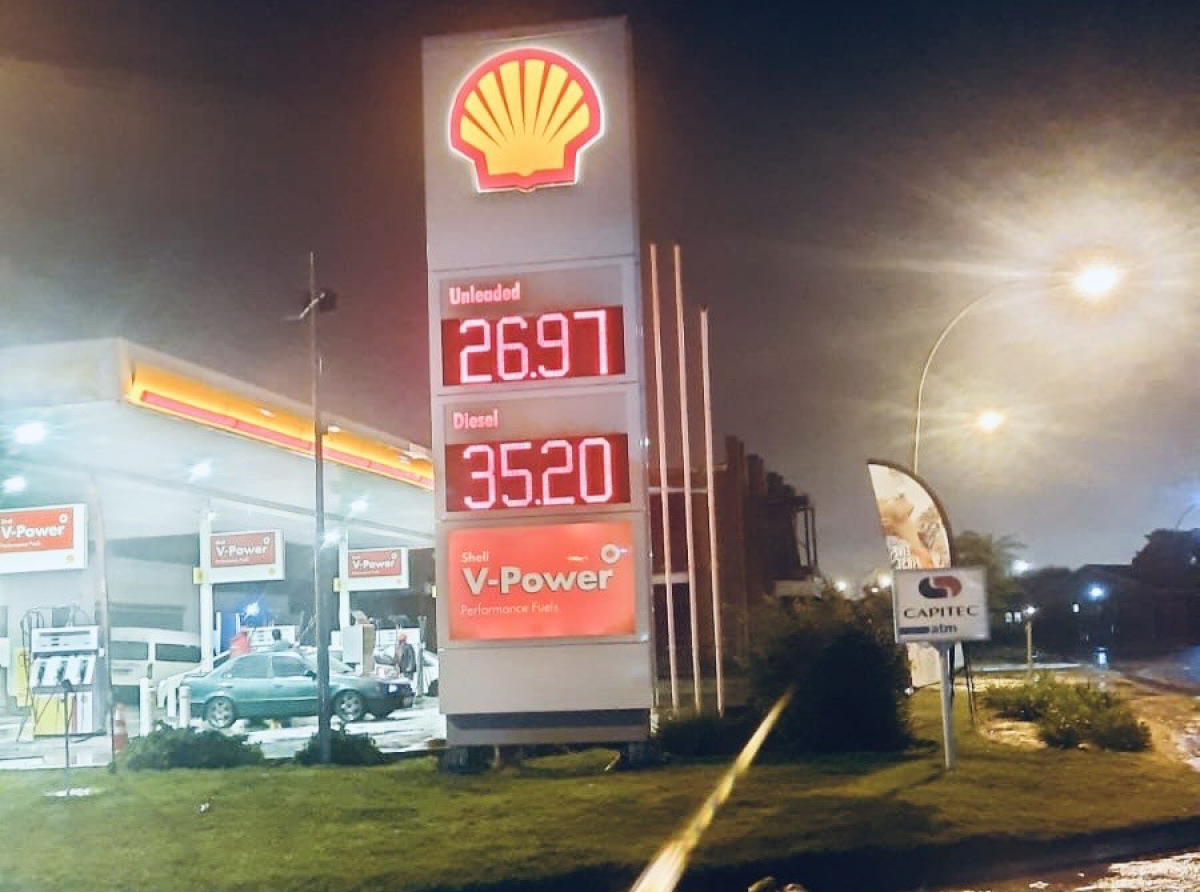
With diesel rising by R6.19 per litre and petrol by R3.27, operators across Bloemfontein, Botshabelo, Thaba Nchu and Excelsior say they are already losing passengers to buses and informal “four-plus-one” taxis as households cut back on transport costs amid mounting financial pressure.
Taxi fares on some routes have already increased from R15 to R18, a move the Greater Bloemfontein Taxi Association (GBTA) says was unavoidable as operators battle rising fuel, maintenance and insurance costs. According to Heidedal Route 031 chairperson Solly Julius, taxi owners have absorbed fuel increases for years, often keeping fares unchanged for up to four years despite fluctuating prices.
“We’ve reached a point where it is no longer sustainable,” the association said, describing the latest fare adjustments as the result of years of mounting operational pressure rather than a once-off response.
But the increases are already changing commuter behaviour. For many workers and students who rely on public transport daily, even a R3 increase per trip can add more than R100 to monthly travel expenses — pushing them to seek cheaper alternatives.
Taxi owner Tom Klassen said the impact is already visible.
“People are looking for cheaper ways to travel now,” Klassen said. “If buses or four-plus-one taxis are more affordable, commuters will choose them. That directly affects our business.”
Bus operators are among those seeing increased demand. Interstate Bus Lines (IBL), which services routes between Bloemfontein, Botshabelo and Thaba Nchu, offers commuter packages ranging from about R155.50 weekly to roughly R684 monthly — making buses a more predictable and often cheaper option for regular passengers.
Interstate Bus Lines chief executive officer George Mokgothu said commuters tend to reassess their transport choices when costs rise.
“When transport costs increase, commuters naturally begin looking at more affordable options,” he said. “Bus services offer stability because passengers know what they will pay over a week or month.”
He added that fuel hikes often trigger immediate shifts in commuter patterns.
“We usually see an increase in demand for bus services during sharp fuel price hikes. It shows how quickly commuters respond when costs rise.”
Meanwhile, informal “four-plus-one” operators are also attracting commuters by offering flexible fares that often undercut traditional taxi routes.
For taxi operators, that growing competition presents a difficult balancing act — raise fares and risk losing more commuters, or absorb rising costs and operate at a loss.
Molefi Edward Goai, a taxi operator on the Thaba Nchu-Excelsior route, said the pressure is becoming unsustainable.
“It is going to have a negative impact because we’ll be forced to increase fares, and we know our customers are already struggling,” he said.
Goai said some operators may soon be forced to prioritise only their most profitable routes.
“We are now going to focus on routes that can sustain the business so we can maintain our vehicles. We are already spending a lot fixing taxis because of poor road conditions.”
He added that regulatory compliance is another financial burden.
“We have to take taxis for roadworthy tests every six months, and minibuses every year. That also costs money.”
The GBTA has warned that failing to increase fares could push some operators out of business entirely, reducing transport options and threatening jobs across the sector.
The ripple effects are also being felt beyond transport. In the Free State’s agricultural sector, where diesel powers machinery, irrigation systems and logistics, farmers warn that higher fuel costs could soon translate into rising food prices.
Economist Dr Thabang Ndlovu from the University of the Witwatersrand said the increase reflects a broader cost-push inflation problem.
“When diesel rises this sharply, those costs move through supply chains and eventually reach consumers,” he said.
With the Free State heavily dependent on road transport, the impact is expected to spread quickly — from commuting costs to grocery bills — leaving households to absorb yet another financial blow.