By: Matshediso Selebeleng
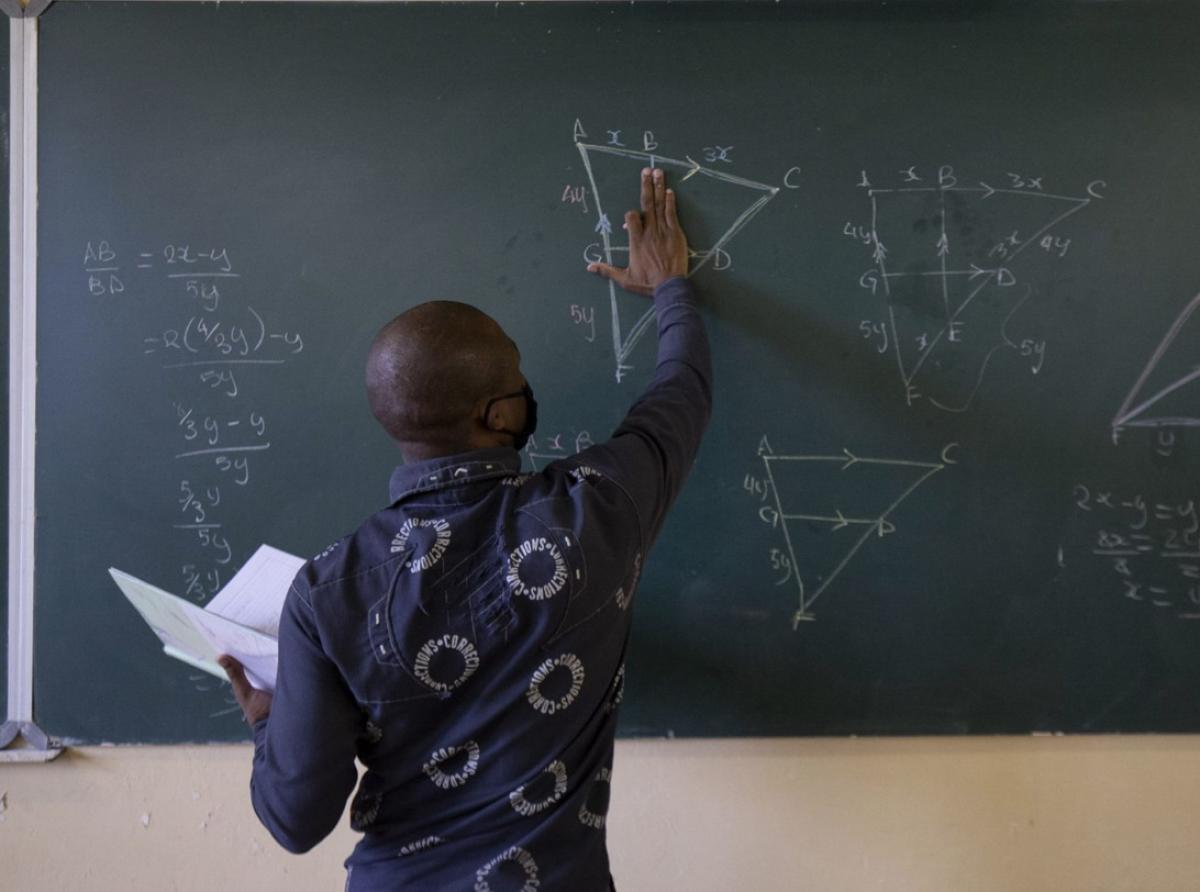
E ducation is a cornerstone of rehabilitation in South Africa’s correctional system, with offenders given access to formal schooling, vocational training and higher education. However, questions persist about whether these skills translate into meaningful livelihoods once offenders are released. According to the Correctional Services Act (Act No. 111 of 1998), the Department of Correctional Services (DCS) is mandated to implement court sentences in a prescribed manner; detain all offenders in safe custody while ensuring their human dignity; promote social responsibility and human development among offenders and persons under community corrections; and manage remand detainees. The Act further emphasises that health and safety, dignity, social responsibility and human development must guide the daily functioning of correctional services. As the country marked the release of the 2025 matric results, some offenders who returned to school while incarcerated were also anxiously awaiting their final examination outcomes. While some wrote their matric examinations, others sat for assessments linked to higher education courses they had enrolled in during their time behind bars. Thabiso Mokoena spent more than a year in prison, where he was taught various handcraft skills, including making belts, hats and photo frames from plastic materials. The programme not only promotes creativity but also encourages plastic recycling. However, five years after his release, Mokoena says he has been unable to use these skills to support his family. “Education behind bars is just as good as fishing with a torn net and hoping to catch fish, because once people know about your past, it’s not easy to get employed,” he said. “For the entire time I have been out, not even one day have I been able to use those skills to my advantage. I don’t even tell people about them anymore because I know it’s not going to happen for me.” Mokoena acknowledged that this experience does not apply to everyone, but noted that some offenders are trained in skills that lose value over time due to changing trends and market pressures. Despite the setbacks, he remains determined to return to school to study something that can sustainably support his family. Currently, he works as a farm labourer, an income he says is insufficient to meet his household needs. While education is a fundamental human right afforded to every citizen regardless of circumstance, questions remain about how former offenders are able to apply the skills and qualifications they acquire while incarcerated once they return to society. According to DCS national spokesperson Singabakho Nxumalo, education is central to rehabilitation, human development and the maintenance of a stable correctional environment, including for offenders serving life sentences. “Education promotes personal growth, critical thinking, discipline and a sense of purpose, which contributes to reduced violence and improved institutional behaviour,” Nxumalo said. “For offenders who may never be released, education enables meaningful participation in constructive activities within facilities and fosters dignity and hope.” He added that the majority of offenders will eventually reintegrate into society, and that education plays a significant role in reducing recidivism, ultimately benefiting communities at large. Nxumalo stressed that all correctional services schools follow Department of Basic Education (DBE) curricula, ensuring that qualifications obtained are credible and nationally recognised. Upon completion of their studies, graduates are able to apply for employment aligned with their qualifications, while skills acquired through training are utilised both within correctional facilities and, where possible, after release. Within facilities, offenders contribute through roles such as maintenance work, arts and crafts, peer education and mentoring programmes, enhancing institutional self-sufficiency and order. For parole-eligible offenders, vocational and academic skills support employability and entrepreneurship upon release, particularly in fields such as construction, hairdressing, agriculture and small business development. Life-sentenced offenders also apply their skills through workshops, production units and by transferring knowledge to fellow inmates. Offenders who wish to pursue education must apply through an internal process at their correctional centre. Applications are assessed by educators and management, taking into account criteria such as conduct, sentence profile, academic readiness and programme availability. Successful applicants are enrolled in internal DCS schools offering Adult Education and Training (AET) and Further Education and Training (FET) programmes, or assisted with applications to external accredited institutions such as DBE-registered schools, TVET colleges under the Department of Higher Education and Training (DHET), or universities. Partnerships, including memoranda of understanding with institutions such as UNISA, help facilitate access to higher education. Educators provide ongoing support throughout the application and registration process. “The Department provides a structured learning environment supported by qualified educators, DBE-approved learning materials, access to libraries and designated study areas,” Nxumalo explained. “Where applicable, learners also access technology-enabled learning through secure computer labs and telematics systems.” Many eligible students receive financial support from their families, while bursaries and NSFAS funding assist those enrolled in TVET colleges and higher education programmes. Nxumalo noted that while not all offenders are automatically enrolled—due to eligibility requirements, institutional capacity and conduct—those who meet the criteria and qualify academically are considered. Courses offered include AET, the formal school curriculum up to Grade 12, vocational and occupational programmes such as plumbing, electrical work, welding and carpentry, as well as selected university qualifications through UNISA. These programmes are aligned with rehabilitation goals, national skills priorities and employability needs. “All educators employed by the Department of Correctional Services are fully qualified professionals registered with the South African Council for Educators (SACE),” Nxumalo added. “Lecturers involved in TVET and university programmes meet the standards set by DHET and their respective institutions.” This, he said, ensures that all teaching and learning within correctional facilities is credible, professional and aligned with national education standards.